

Is Keratin Hair Treatment Bad For You? 8 Facts You Need
Many people wonder if keratin hair treatment is bad for you before booking their first appointment. The answer depends entirely on the formula and application method used. This January 2026, formaldehyde-free options have improved dramatically compared to earlier versions. Our hair treatment safety guide emphasizes checking ingredient labels before any chemical service. Keratin treatments promise smooth, frizz-free hair for months, but not all formulas are created equal. These eight facts separate marketing claims from scientific reality so you can decide wisely.
1. What’s Actually in Keratin Hair Treatments

Traditional keratin hair treatments work by depositing liquid keratin protein into the hair shaft, then using heat from a flat iron to seal it in place, creating smoother, straighter strands. The controversy centers on the chemical that makes this bond permanent—many formulas rely on formaldehyde or ingredients like methylene glycol that release formaldehyde gas when heated. This gas is classified as a known human carcinogen by the International Agency for Research on Cancer, making its presence in hair products a serious health consideration rather than a minor inconvenience.
Not all keratin treatments contain formaldehyde, despite what salon marketing sometimes implies. Formaldehyde-free versions use alternative bonding agents like glyoxylic acid or other aldehydes that don’t release the same carcinogenic gas during the heat-activation process. Reading ingredient labels carefully and asking your stylist directly about formaldehyde content before treatment is essential, since some products labeled “formaldehyde-free” still contain formaldehyde-releasing preservatives in smaller amounts that can accumulate with repeated salon visits.
2. The Formaldehyde Exposure Risk During Application

The heat-activation process required for keratin treatments releases formaldehyde gas into the air, creating inhalation exposure risks for both clients and salon stylists during application. OSHA has documented formaldehyde levels in poorly ventilated salons exceeding permissible exposure limits by significant margins, particularly when multiple keratin treatments are performed in the same space without adequate airflow. This occupational hazard explains why stylists who perform keratin treatments regularly face higher cumulative exposure risks than clients who receive treatments occasionally.
Common symptoms of formaldehyde exposure during keratin treatments include burning eyes, throat irritation, difficulty breathing, headaches, and nosebleeds—reactions that typically occur during or immediately after the flat-ironing process when gas release peaks. These symptoms usually resolve once you leave the salon environment, but they signal genuine chemical exposure rather than simple sensitivity. Salons with proper ventilation systems, exhaust fans, and protective equipment significantly reduce these risks, making salon selection as important as product selection when considering keratin treatments.
3. Who Should Avoid Keratin Treatments Entirely

Pregnant women should avoid keratin treatments containing formaldehyde due to potential risks to fetal development, as formaldehyde exposure has been linked to reproductive health concerns in various studies. Individuals with asthma, chronic respiratory conditions, or chemical sensitivities face heightened risk of severe reactions, including difficulty breathing, chest tightness, and prolonged respiratory irritation that can persist for days after treatment. People with compromised immune systems or those undergoing cancer treatment should also consult their healthcare provider before considering any formaldehyde-based chemical hair service.
Most dermatologists and OB-GYNs recommend waiting until after breastfeeding ends. According to Mayo Clinic pregnancy guidelines, avoiding unnecessary chemical exposure during pregnancy is the safest approach. Alternative smoothing methods like deep conditioning treatments offer safer interim solutions during this time.
4. Formaldehyde-Free Alternatives Worth Considering

Formaldehyde-free keratin treatments use alternative bonding agents like glyoxylic acid, which chemically resembles formaldehyde but doesn’t release the same carcinogenic gas during heat activation. These formulas still smooth frizz and reduce styling time significantly, though results may not last quite as long as traditional formaldehyde-based versions, typically lasting eight to ten weeks compared to twelve to sixteen weeks for stronger formulas. Brands like Cezanne, some Brazilian Blowout formulations, and various professional lines now offer verified formaldehyde-free options that salons can advertise transparently.
Newer glyoxylic acid formulas offer safer alternatives without formaldehyde. Some use cysteine-based chemistry instead. Research each brand and formula specifically. Marketing terms like “formaldehyde-free” can be misleading if the formula contains formaldehyde-releasing ingredients. Our chemical treatment comparison guide breaks down the differences between popular systems clearly.
5. Long-Term Effects on Hair Health and Structure

Repeated keratin treatments can weaken hair’s natural protein structure over time, particularly when treatments are performed too frequently without adequate recovery periods between sessions. The heat required for application—often exceeding 450°F with flat irons—causes cumulative thermal damage that can lead to increased porosity, brittleness, and breakage, especially at the ends where hair is already older and more fragile. This paradox means treatments designed to improve hair’s appearance can actually compromise its long-term structural integrity when overused.
Color-treated hair faces additional risk, as keratin treatments can cause color fading, brassiness, or uneven tone shifts due to the chemical interaction between dyes and the smoothing formula. Hair that’s already damaged from bleaching, chemical relaxing, or excessive heat styling is particularly vulnerable to further degradation from keratin treatments, sometimes resulting in severe breakage or texture changes that require significant recovery time. Spacing treatments at least three to four months apart and maintaining excellent hair health between sessions helps minimize these cumulative risks.
6. How to Protect Yourself During Treatment
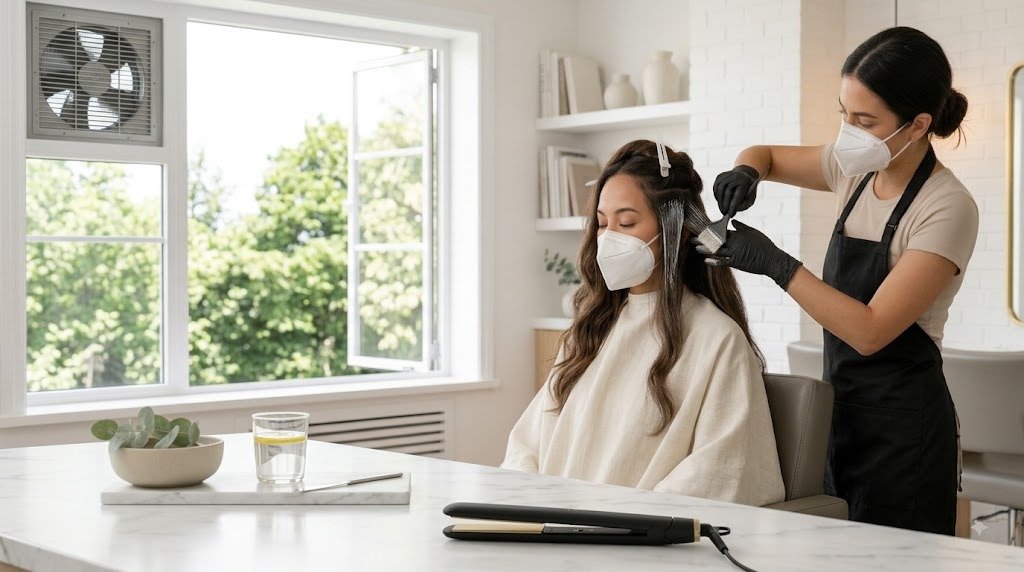
If you decide to proceed with a keratin treatment, choosing a salon with excellent ventilation is your first and most important safety measure, as proper airflow significantly reduces formaldehyde gas concentration in the air you’re breathing. Ask your stylist about their ventilation system, request that windows or doors remain open during application, and consider scheduling your appointment during off-peak hours when the salon isn’t simultaneously performing multiple chemical services that compound air quality issues.
Request that your stylist wears protective gloves and a proper respirator mask designed for chemical fumes, not just a basic dust mask, since this indicates professional awareness of the actual risks involved. Bring your own N95 or KN95 mask to wear during the heat-activation portion of the service if you’re concerned about inhalation exposure, and don’t hesitate to step outside briefly if you experience any burning, irritation, or difficulty breathing. Avoid scheduling keratin treatments during pregnancy, and always ask to see product labels or safety data sheets before committing to any specific formula.
7. Reading Labels and Asking the Right Questions

Ingredient labels for keratin treatments often disguise formaldehyde under alternative names like methylene glycol, formalin, methanal, or oxomethane, making it essential to recognize these terms rather than searching for “formaldehyde” alone. Products claiming to be “formaldehyde-free” sometimes still contain trace amounts or formaldehyde-releasing preservatives that activate under heat, so scrutinizing full ingredient lists matters more than trusting front-label marketing claims. The FDA doesn’t require pre-market approval for cosmetic ingredients, meaning safety verification largely falls on informed consumers and responsible salons.
Before booking, call ahead and ask your salon directly: what specific product and brand do they use, does it contain formaldehyde or formaldehyde-releasing chemicals, and can they provide the safety data sheet upon request. Reputable salons should answer these questions transparently without hesitation or defensiveness. Cross-reference the product name with FDA warnings or recalls, since several keratin treatment brands have faced regulatory action for undisclosed formaldehyde content exceeding legal limits in past years, making due diligence genuinely protective rather than excessive caution.
8. Weighing the Risks Against the Benefits

Keratin treatments genuinely deliver on their promise of smoother, more manageable hair with significantly reduced frizz and styling time, benefits that many people find worth pursuing despite the chemical considerations involved. The treatment can cut daily styling time from thirty minutes to five minutes for those with naturally curly or frizz-prone hair, offering real quality-of-life improvements for busy schedules. For healthy individuals without respiratory sensitivities who choose reputable, well-ventilated salons using verified low-formaldehyde or formaldehyde-free formulas, the risk profile becomes considerably more manageable.
The decision ultimately depends on your personal risk tolerance, health status, and how thoroughly you vet your salon and product choices beforehand. If you have any respiratory conditions, are pregnant, or feel uncertain about chemical exposure, formaldehyde-free alternatives or entirely different smoothing methods offer peace of mind without completely sacrificing your styling goals. Making an informed choice—rather than avoiding or accepting keratin treatments based on incomplete information—represents the healthiest approach to this popular but genuinely complex beauty decision.
9. FAQs
Is keratin hair treatment bad for you long-term?
Keratin treatments can be bad for you long-term if they contain formaldehyde and are performed frequently, potentially causing cumulative respiratory issues and hair structural damage. Formaldehyde-free versions used occasionally with proper ventilation carry significantly lower long-term risk, making product choice and treatment frequency the key safety factors.
Does keratin treatment cause hair loss?
Keratin treatment doesn’t directly cause hair loss, but excessive heat and chemical exposure can weaken hair shafts, leading to breakage that may appear similar to thinning. Scalp irritation from formaldehyde exposure in rare cases could theoretically affect follicle health, though documented cases of actual hair loss from keratin treatments remain uncommon.
How many days after keratin treatment can you wash your hair?
Most keratin treatments require waiting 72 hours before washing your hair to allow the protein bond to fully set and cure properly. Washing too soon can cause the treatment to fade prematurely, reducing both the smoothing effect and the treatment’s overall lifespan significantly.
Is Brazilian blowout the same as keratin treatment?
Brazilian Blowout is a specific brand name for a type of keratin treatment, though not all keratin treatments are Brazilian Blowouts. Both use similar heat-activated protein bonding processes, but formulations, formaldehyde content, and results can vary significantly between different brands and salon products.
Can you get keratin treatment while breastfeeding?
Most healthcare providers recommend avoiding formaldehyde-containing keratin treatments while breastfeeding due to potential chemical exposure risks that could theoretically transfer through inhalation and skin contact. Formaldehyde-free alternatives are generally considered safer, but consulting your doctor before any chemical hair treatment during breastfeeding is strongly advised.
How often should you get keratin treatments safely?
Spacing keratin treatments three to four months apart minimizes cumulative chemical exposure and reduces thermal damage risk to your hair’s protein structure. More frequent treatments increase both health risks from repeated formaldehyde exposure and hair damage risk from excessive heat styling required during each application.

