
Old Money Outfits: 9 Proven Best Looks for a Quiet Luxury Wardrobe

You open your closet on an ordinary Tuesday and nothing looks quite right. The trend pieces feel loud, the basics feel flat, and you want old money outfits that work for a school pickup and a long dinner without a full change. If you are building a capsule wardrobe from scratch, this is where to start.
The good news is that this look relies on restraint, not a big budget or a private stylist. A few honest fabric choices do most of the heavy lifting.
You do not need to copy a head-to-toe runway moment. Borrowing one useful detail from old money outfits you admire will shift how everything else in your closet reads.
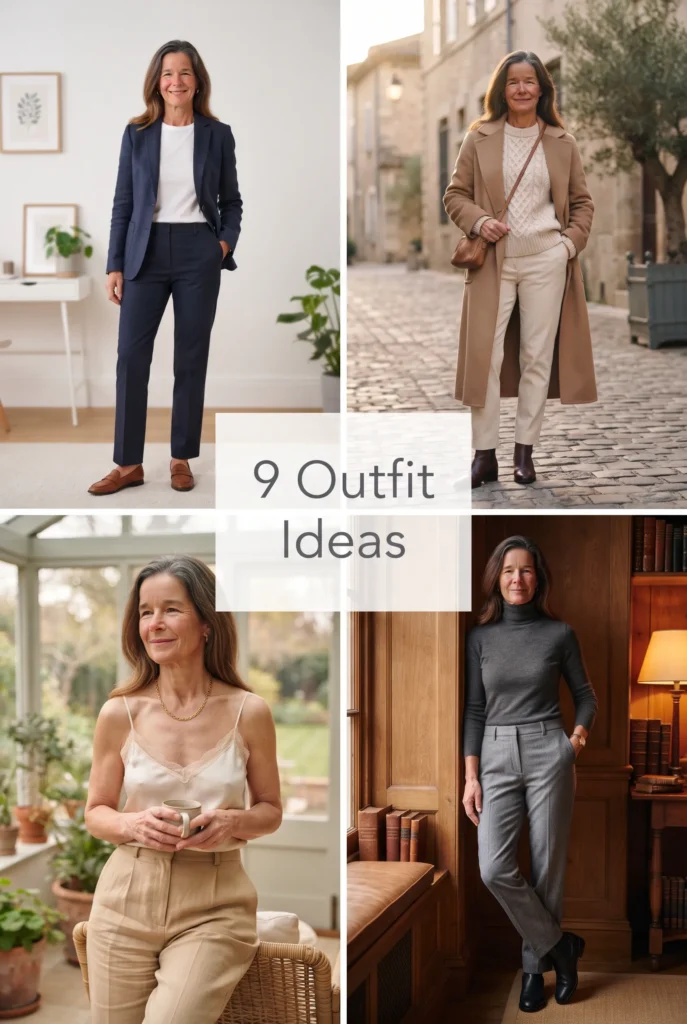
Below you will find the fabrics, silhouettes, and small swaps that make old money outfits feel genuinely yours.
What Makes Old Money Outfits Worth Building Around?
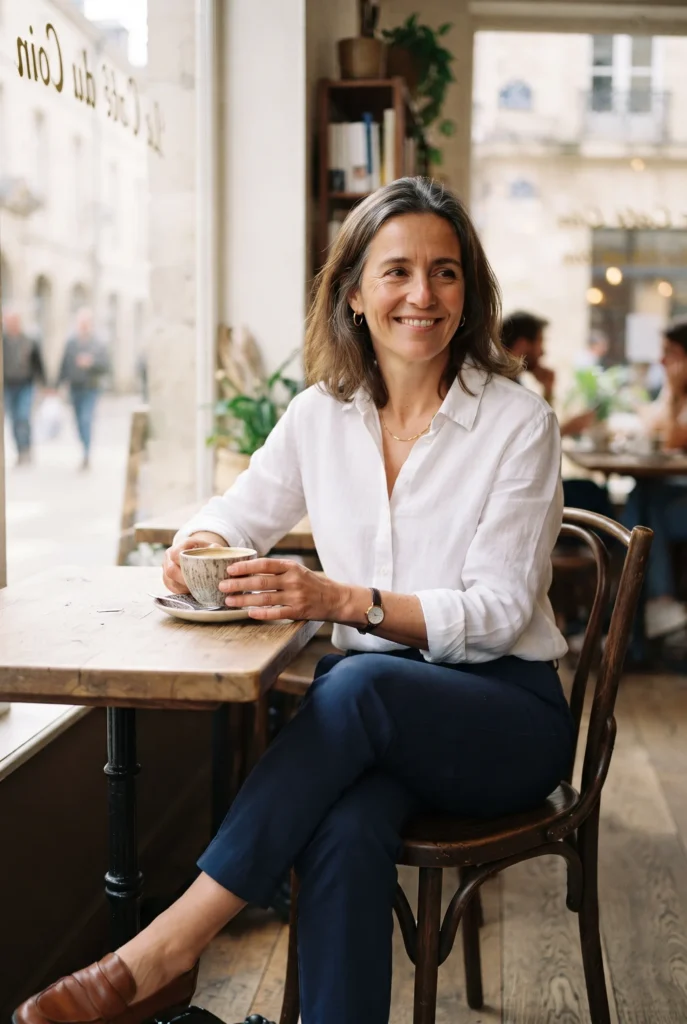
Old money outfits hold up because they solve a real problem: looking put together when you have exactly four minutes to get dressed. The silhouette stays clean, the colors stay quiet, and the fabrics do the talking so you do not have to.
The aesthetic borrows from decades of Anglo-American prep and European ease. Think Ralph Lauren campaigns from the 1990s or the way Carolyn Bessette-Kennedy wore a simple turtleneck and straight trousers. The clothes never shout.
Look for these details when you shop or edit your closet:
- Natural fibers like wool, linen, cotton, and cashmere
- Relaxed tailoring that skims rather than clings
- A palette anchored in navy, cream, camel, and white
- Minimal hardware on bags and shoes
- One quiet pattern at a time, like a subtle houndstooth or a thin stripe
Once you know what to spot, building old money outfits becomes a matter of editing, not shopping.
| Piece | Best for | Detail worth borrowing |
|---|---|---|
| Navy blazer | Office days, dinners | Unstructured shoulders, patch pockets |
| Cream cable knit | Weekend layering | Slightly oversized fit, ribbed cuffs |
| Camel wool coat | Cold commutes | Knee length, no visible branding |
| White linen shirt | Summer lunches | French tuck, rolled sleeves |
| Straight-leg trousers | Everyday wear | High rise, pressed crease |
| Silk camisole | Layering under blazers | V-neck, adjustable straps |
| Leather loafers | Walking, travel | Penny slot detail, low heel |
Old Money Outfits Start With Fabric, Not Labels
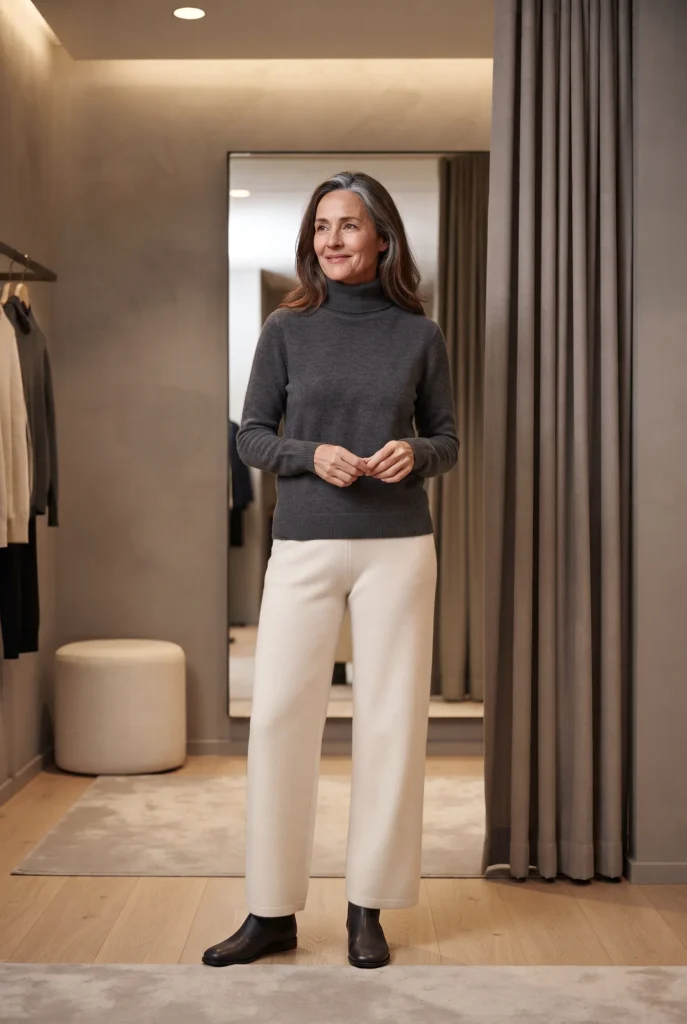
The fastest way to read as expensive is to wear fabrics that age well, regardless of the tag inside the collar.
A polyester blazer will always look like a polyester blazer. A wool one softens, drapes, and develops a slight nap that signals quality even from across a room. This is why old money outfits lean so heavily on natural fibers.
Cotton poplin, merino wool, raw silk, and medium-weight linen are your workhorses. They breathe, they hold a crease, and they photograph well. You can find them at every price point if you check the label before you check the logo.
How to Read a Fabric Label in Under Ten Seconds
Turn the garment inside out. If the first fiber listed is synthetic and the price is high, walk away. A blend is fine when it adds stretch or durability, but the natural fiber should come first. Vogue’s fabric and textile guides confirm that a high wool or cotton content is the single best predictor of how a garment will look after a year of regular wear.
Fit note: Natural fabrics shrink and relax differently than synthetics. Buy wool trousers with a little room in the waist and plan to have them taken in after the first wash. Linen will soften dramatically after three or four wears, so do not judge it on the hanger.
When you build old money outfits around fabric first, the rest of the decisions get simpler. Color, cut, and accessories all follow the material.
The Neutral Palette That Makes Old Money Outfits Look Expensive
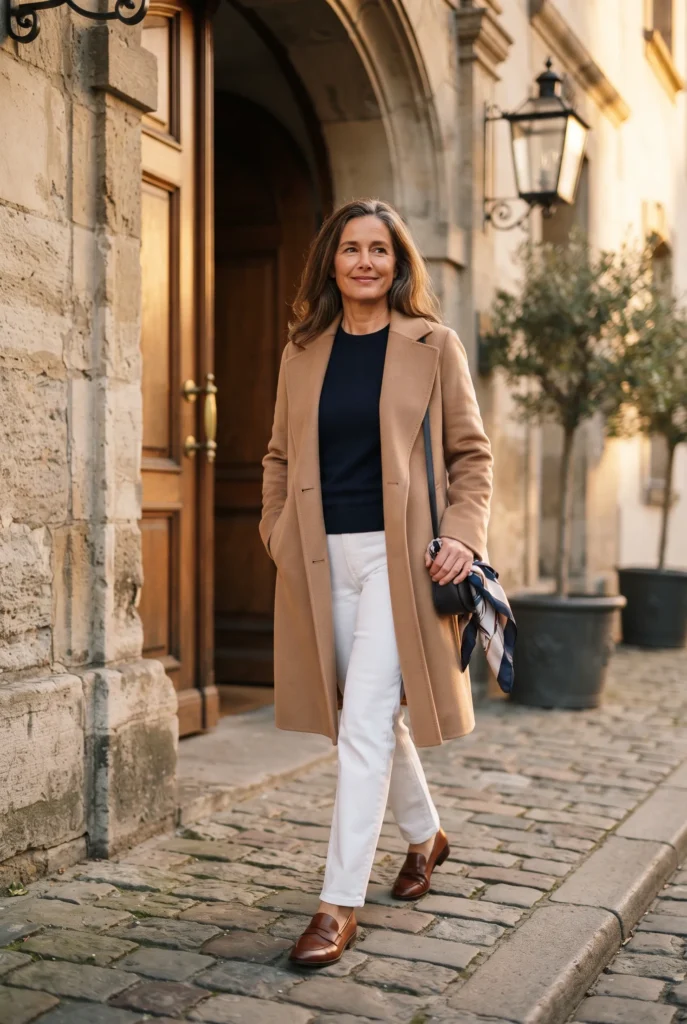
A tight color story of navy, cream, camel, and white makes even inexpensive pieces look coordinated and deliberate.
Bright colors are not the enemy, but they are not the foundation either. Old money outfits stay quiet on purpose. A navy trouser paired with a cream sweater and camel coat reads as a complete thought, not a collection of separate items.
The trick is to pick four anchor colors and repeat them. Navy and cream handle the heavy lifting. Camel adds warmth in cooler months. White keeps summer looks from feeling heavy. Everything else is an accent.
Where to Add Color Without Breaking the Mood
A burgundy scarf, a forest green bag, a pale blue oxford shirt. These shades sit close to the neutral family and fold easily into old money outfits without disrupting the overall calm. Harper’s Bazaar has noted that the most convincing quiet luxury looks use color as a whisper, not a statement.
Color note: Avoid pairing more than two neutrals of the same value. Two mid-tone beiges next to each other look muddy. Instead, contrast a light cream with a deep camel or a crisp white with a dark navy. The contrast is what reads as intentional.
Once your palette is set, old money outfits practically assemble themselves in the morning. You grab a top, a bottom, and a layer, and they already match.
Tailored Trousers: The Backbone of Old Money Outfits
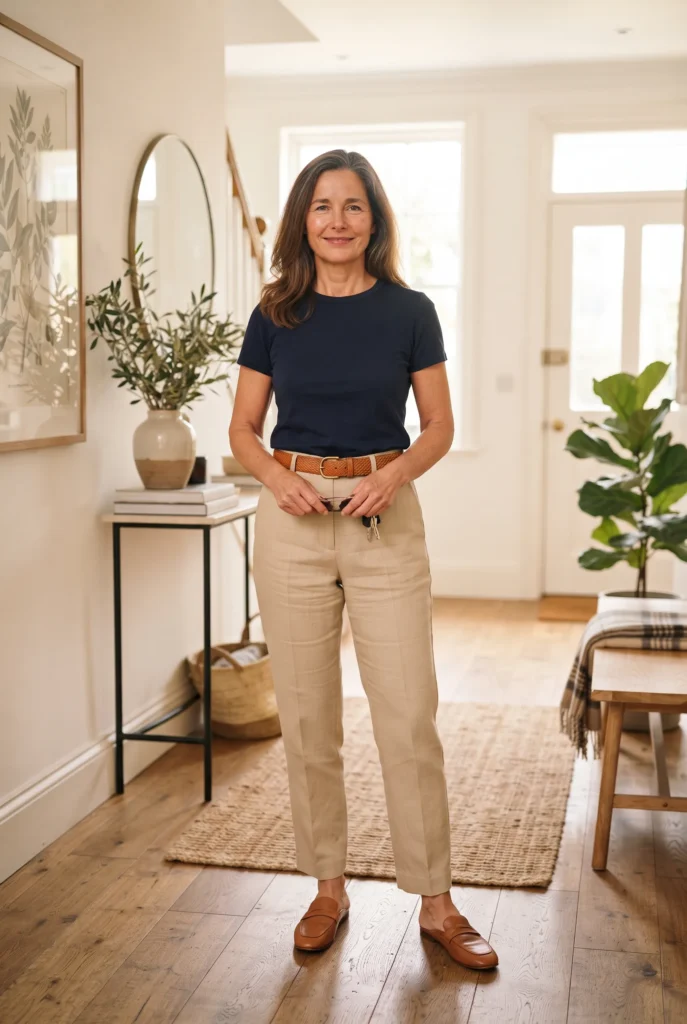
A well-cut trouser in wool or heavy cotton will carry more of the look than any other single piece in your closet.
Jeans are fine for Saturday, but the silhouette that defines old money outfits is a straight or slightly wide trouser with a pressed crease. The rise sits at or just above the natural waist, and the hem grazes the top of your shoe.
Avoid anything skin-tight or cropped above the ankle unless you are deliberately going for a different aesthetic. The point of this trouser is length and line. It elongates the leg and creates a clean column from hip to floor.
The Two Trouser Cuts That Work Best
A high-waisted wide leg in charcoal wool is the most versatile option for fall and winter and the trouser shape you will see most often in old money outfits from European style icons. For spring and summer, a mid-rise straight leg in sand-colored linen does the same job with more airflow. Both cuts flatter a range of body types and pair with nearly every top you already own.
| Situation | Base pieces | Why it works |
|---|---|---|
| Office morning | Charcoal wool trouser, white poplin shirt, navy blazer | Clean lines, no pattern clash |
| Weekend market | Sand linen trouser, cream knit, leather sandals | Relaxed but structured |
| Evening dinner | Black crepe trouser, silk camisole, low block heel | Dark column, minimal accessories |
| Travel day | Navy ponte trouser, cashmere crew, white sneakers | Stretch comfort, still polished |
If you invest in one piece to anchor your old money outfits this season, make it a trouser that fits your hips without pulling and falls straight from the knee. For more ideas on working with natural fabrics, this guide to linen trousers for warm weather is a good next read.
Layering Pieces That Give Old Money Outfits Depth
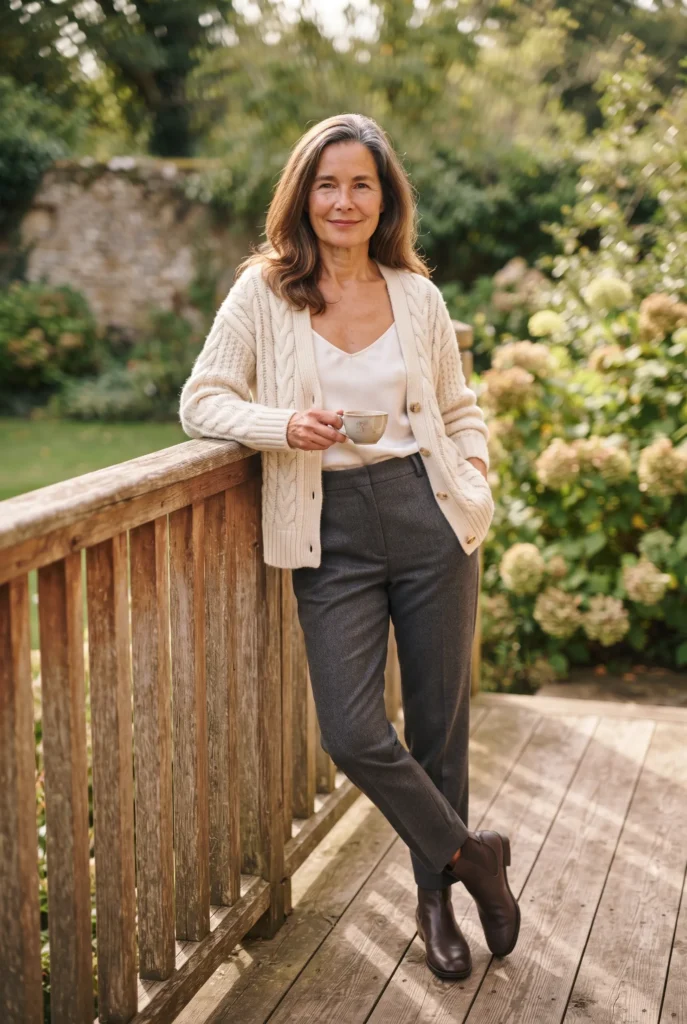
A flat outfit becomes a finished one the moment you add a structured layer on top.
The difference between a basic jeans-and-tee look and one of the old money outfits you pin on a quiet evening is almost always a third piece. A blazer, a cardigan, a trench coat, or a vest adds dimension and signals that you thought about what you put on.
The best layers for this aesthetic are slightly oversized and unstructured. A boxy blazer in navy hopsack wool, a long camel cardigan that hits mid-thigh, a quilted vest in olive. These pieces drape rather than grip, and they work over a range of base layers.
The Layering Order That Never Fails
Start with a thin base: a silk camisole, a fine-gauge turtleneck, or a cotton tee. This is the foundation of most old money outfits you see in magazine editorials. Add a mid-layer if the weather calls for it, like a crew-neck sweater or a button-down shirt left open. Finish with your outermost layer, the one with the most structure.
Comfort upgrade: If structured blazers make your shoulders ache by noon, swap in an unlined linen blazer or a soft-shouldered cardigan jacket. You get the same visual layering effect without the stiffness. WGSN trend reports on quiet luxury consistently highlight unlined outer layers as a key direction for relaxed tailoring.
Layering is the easiest way to make old money outfits work across seasons. The same trouser and top can read as summer or fall depending on what you throw over them.
Shoes and Bags That Complete Old Money Outfits Quietly
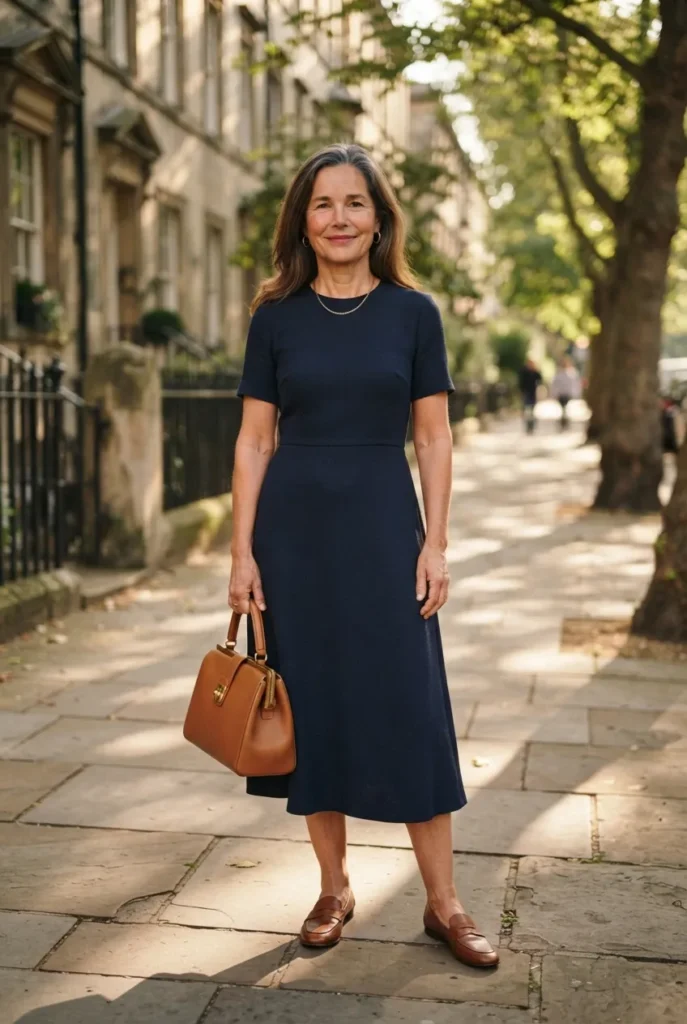
The accessories that sell this look are the ones you barely notice at first glance.
Loud logos and chunky hardware pull focus away from the clothes. Old money outfits rely on accessories that blend in: a smooth leather tote with no visible branding, a pair of penny loafers in dark brown, a simple gold chain necklace.
For shoes, think low heels and flat soles. Kitten-heel pumps, leather ballet flats, suede driving mocs, and clean white sneakers all work within old money outfits because they share a slim profile and a neutral color that matches your trouser or your bag.
The Bag Shape That Does the Most Work
A structured top-handle bag in a medium size handles the widest range of occasions. It is large enough for a phone, wallet, and sunglasses but small enough to carry into a restaurant without looking like you are commuting. Tan, black, or navy leather will match everything in your neutral color palette guide.
- Weekend errands: Canvas tote + leather crossbody + white sneakers
- Office day: Structured top-handle + pointed-toe flat + wool trouser
- Evening out: Small envelope clutch + low block-heel sandal + silk camisole
- Travel: Nylon crossbody + leather loafers + ponte trouser
When your shoes and bags stay quiet, the rest of your old money outfits get to do the talking. Resist the urge to add a statement piece on top of an already complete look.
Copy the Principle, Not the Outfit
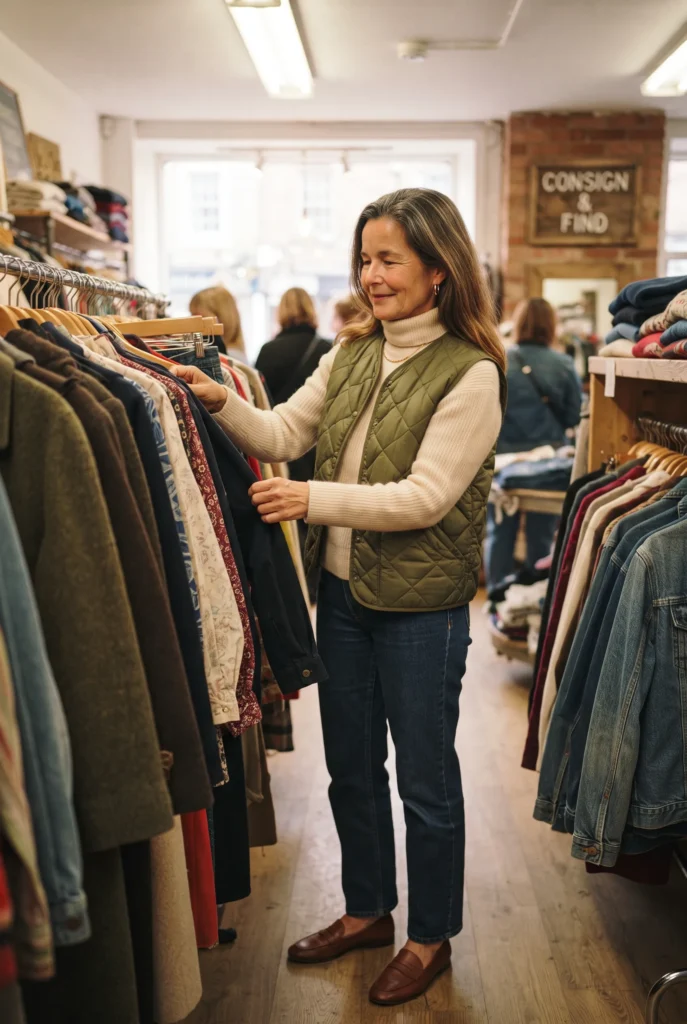
The most useful thing you can take from old money outfits is not a shopping list. It is a way of looking at clothes you already own and asking better questions.
When something catches your eye in old money outfits on the street or in a magazine, pause and ask yourself these four questions:
- What is the fabric doing that makes this look expensive?
- Where is the volume, and where is the fit close to the body?
- How many colors are in this outfit, and do they share a temperature?
- What is the one detail I could recreate with something I already own?
| Instead of copying this | Borrow this principle |
|---|---|
| A head-to-toe Ralph Lauren ad | The idea of tonal dressing in one color family |
| A celebrity’s cashmere set | The principle of matching knit textures |
| A specific designer bag | The shape and proportion that flatters your frame |
| A full preppy uniform | The contrast between a structured layer and a soft base |
This is how old money outfits become personal rather than costumey. You take the logic, not the literal pieces, and apply it to your own closet. The goal is a wardrobe that feels like yours, not a replica of someone else’s.
Build Your Own Daily Formula from Old Money Outfits You Like
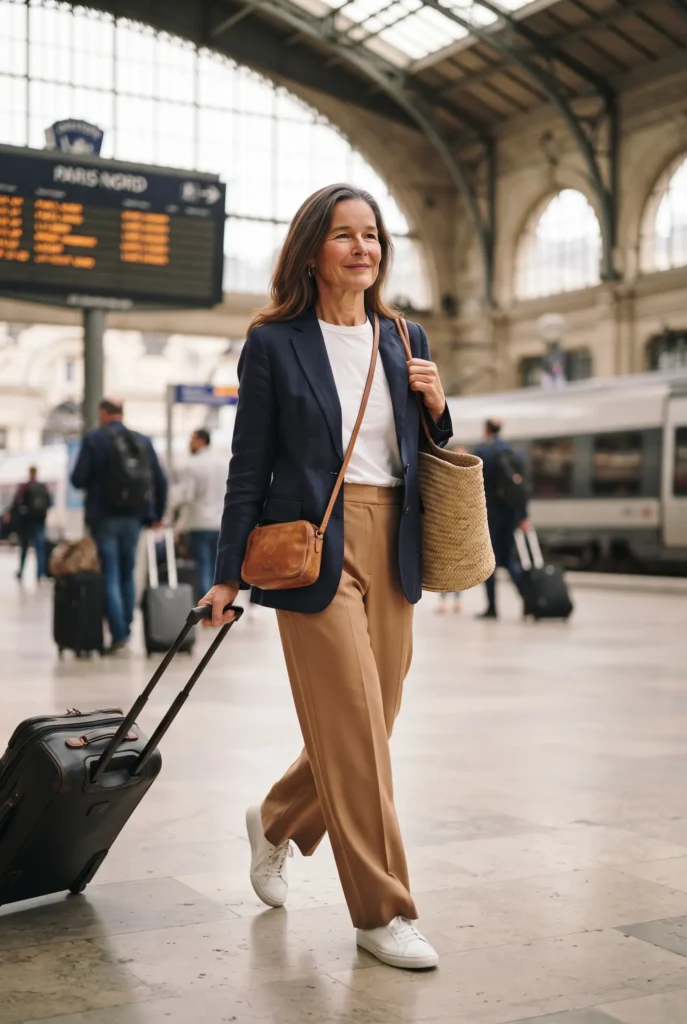
A formula takes the guesswork out of getting dressed, and it is the fastest way to make old money outfits feel routine rather than performative.
The Quiet Luxury Formula:
- Base: One fitted layer (silk cami, fine knit, or cotton tee)
- Structure: One tailored piece (trouser, blazer, or midi skirt)
- Softener: One relaxed layer (cardigan, trench, or oversized shirt)
- Finish: One quiet accessory (leather belt, gold hoops, or a silk scarf)
Swap any piece for a seasonal equivalent. In summer, the tailored piece becomes a linen short or a cotton midi skirt. In winter, the softener becomes a wool coat and the base becomes a turtleneck. The proportions stay the same.
The reason this formula works for old money outfits is that it balances structure with ease. You look deliberate without looking stiff. Try it tomorrow morning with whatever is closest to hand, and adjust from there.
Frequently Asked Questions
What is the old money aesthetic in fashion?
The old money aesthetic favors classic silhouettes, natural fabrics, and a muted color palette over logos and trends. Old money outfits typically include tailored trousers, structured blazers, and simple knits in navy, cream, camel, and white. The goal is to look well-dressed without drawing attention to the clothes themselves.
How do you dress old money on a budget?
Focus on fabric and fit rather than brand names. A well-tailored cotton blazer from a mid-range store will read better than an ill-fitting designer piece. Thrift stores and consignment shops are excellent sources for wool coats, silk blouses, and leather bags that anchor old money outfits without the full retail price.
What colors are considered old money style?
Navy, cream, camel, white, and charcoal form the core palette. Burgundy, forest green, and pale blue work as accents. The key is to keep the overall look tonal and avoid high-contrast color blocking that reads as trendy rather than classic.
Can you wear old money outfits casually?
Absolutely. Swap the blazer for an unstructured cardigan and the trouser for a clean pair of straight-leg jeans. The principles of good fabric, a tight color story, and minimal hardware still apply. Casual old money outfits often look the most convincing because they feel lived-in.
What brands are associated with old money fashion?
Ralph Lauren, Loro Piana, Brunello Cucinelli, and Brooks Brothers are the most frequently cited. However, the aesthetic is about proportion and fabric, not labels. You can build the same look from any brand that offers natural fibers and clean tailoring.


