
How To Buy The Right Watch Sizes For Your Wrist

Watch sizes for your wrist start with one simple measurement, not with a brand name or a trend. Wrap a soft tape around your wrist where you wear a watch, note the number in millimeters, and suddenly the confusing world of 36mm, 40mm, and 44mm cases turns into a short list that actually fits you. The 8 steps below cover wrist size, lug-to-lug, case diameter, thickness, strap fit, small and large wrists, trying on, and common mistakes, so you can shop with confidence instead of guessing.
Each step gives you a concrete number or test to use, whether you are buying your first everyday watch or adding a dress watch to a collection you already love. You will learn which measurements matter most, when a chart helps and when it misleads, and how to tell a good fit in a shop in under a minute. Keep your wrist measurement handy, compare it with the ranges below, and choose the size that sits flat, feels comfortable, and looks like it belongs on you.
Measure Your Wrist First
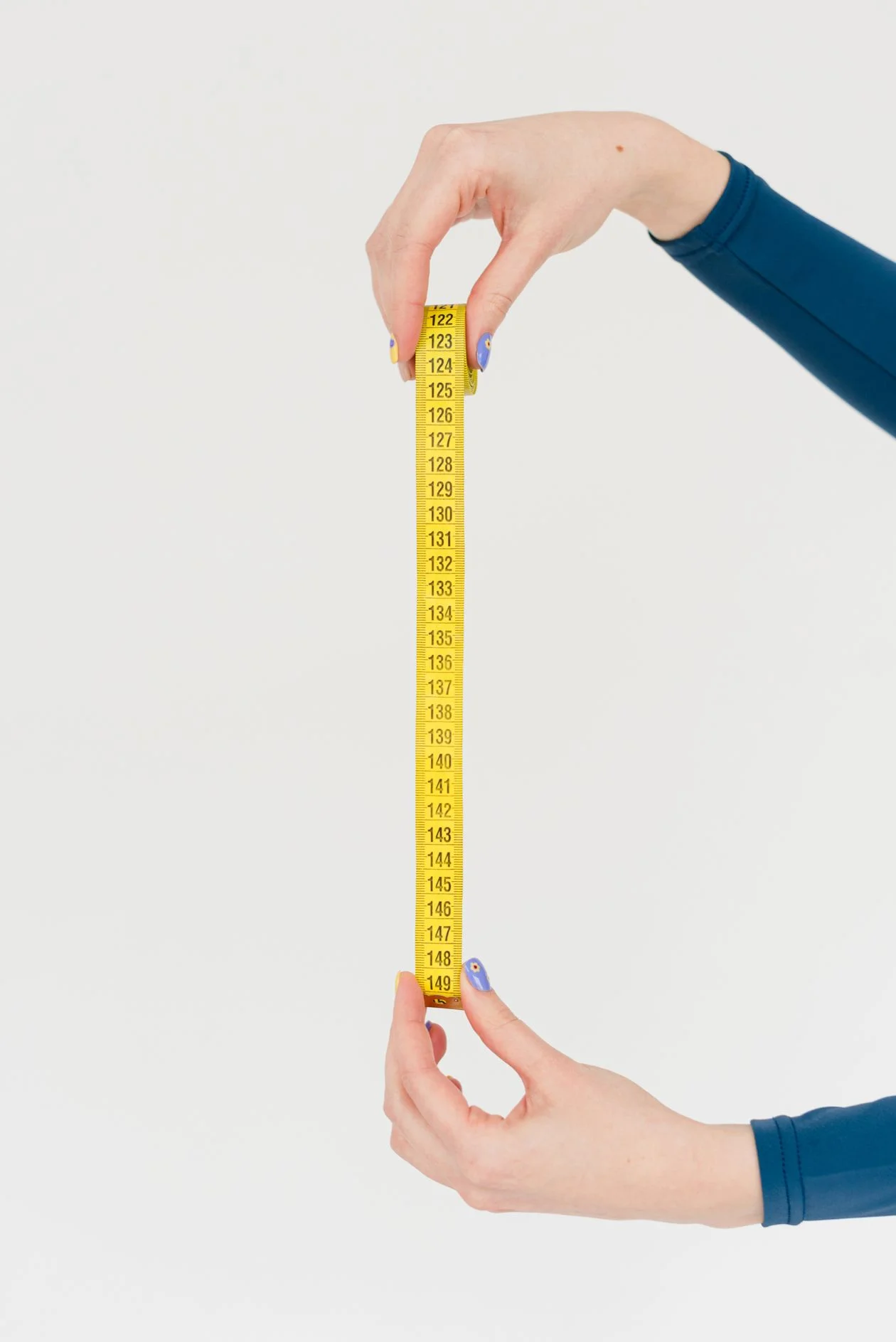
Before you look at a single watch, learning watch sizes for your wrist means knowing your own wrist in millimeters. Wrap a soft tailor’s tape, or a strip of paper you later measure with a ruler, snugly around your wrist just below the wrist bone, where a watch naturally sits. Note it in millimeters and inches, since brands use both.
- Measure in the afternoon, when your wrist is at its normal size, not first thing in the morning.
- Keep the tape snug but not tight, and do not add extra room for comfort yet.
- Measure twice, on two different days, and use the larger number if they differ.
- Note your flat wrist width too, from one edge of the wrist top to the other.
With real numbers, watch sizes for your wrist become a shortlist, not a guess: 175mm tells a shop exactly where to start.
Check Lug-to-Lug Before Diameter
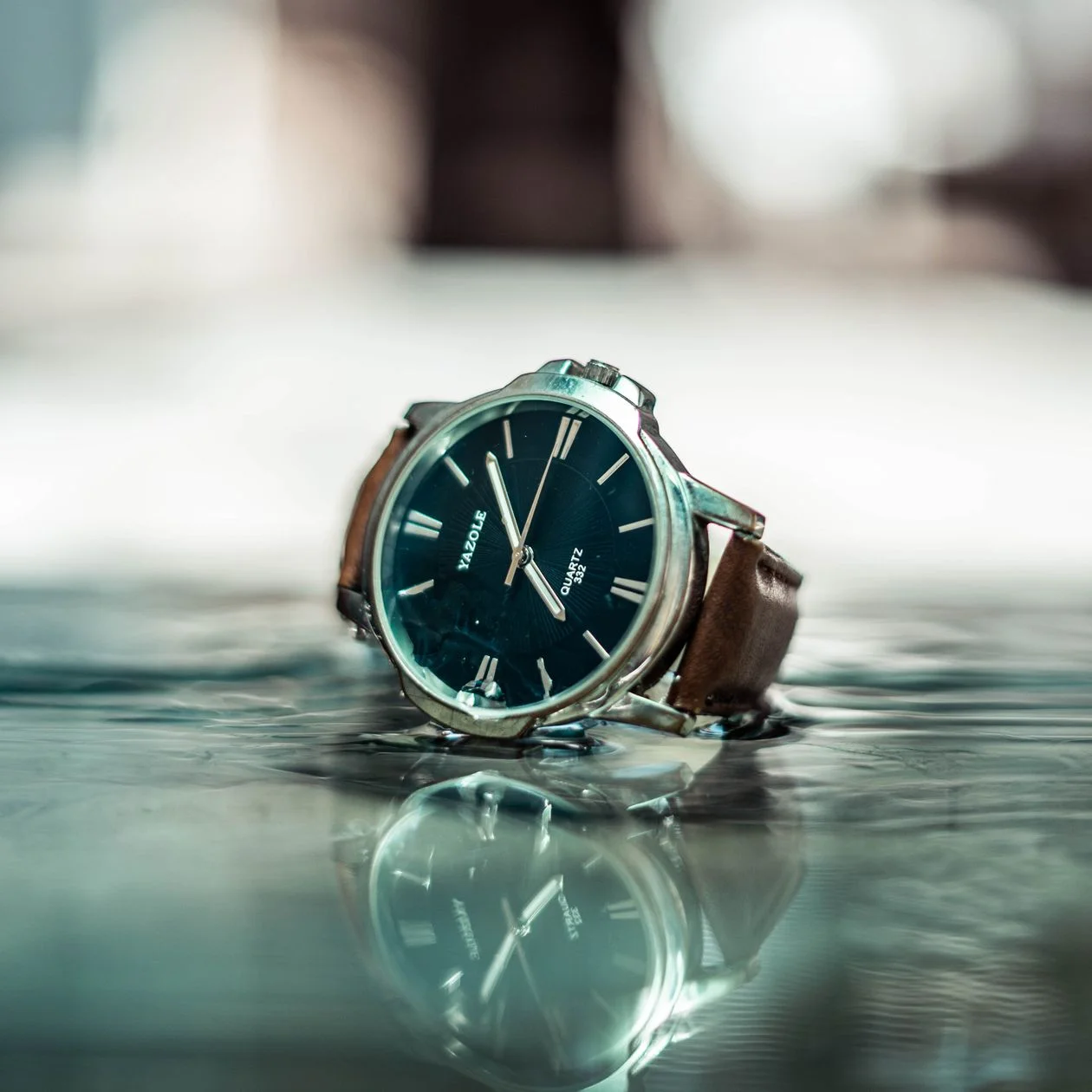
Lug-to-lug is the distance from the tip of the top lugs to the tip of the bottom lugs, and it decides whether a watch sits flat or hangs over the edges of your wrist. Two 40mm watches can wear very differently, with short, curved lugs at 46mm lug-to-lug versus long, straight lugs at 52mm. When you compare watch sizes for your wrist, check lug-to-lug first, then diameter, because overhang is the fit problem you notice every time you look down.
- As a guide, keep lug-to-lug at or below the flat width of your wrist top.
- For a 6.5-inch wrist, aim for lug-to-lug under about 48mm; for a 7.5-inch wrist, under about 52mm.
- Curved lugs wrap better than straight lugs, so they can wear a few millimeters longer.
- Ask for lug-to-lug if a listing shows diameter only.
If the lugs overhang, the watch rocks and catches on cuffs, even if the diameter looked right. That is why watch sizes for your wrist are a two-number decision.
Match Case Diameter to Your Wrist
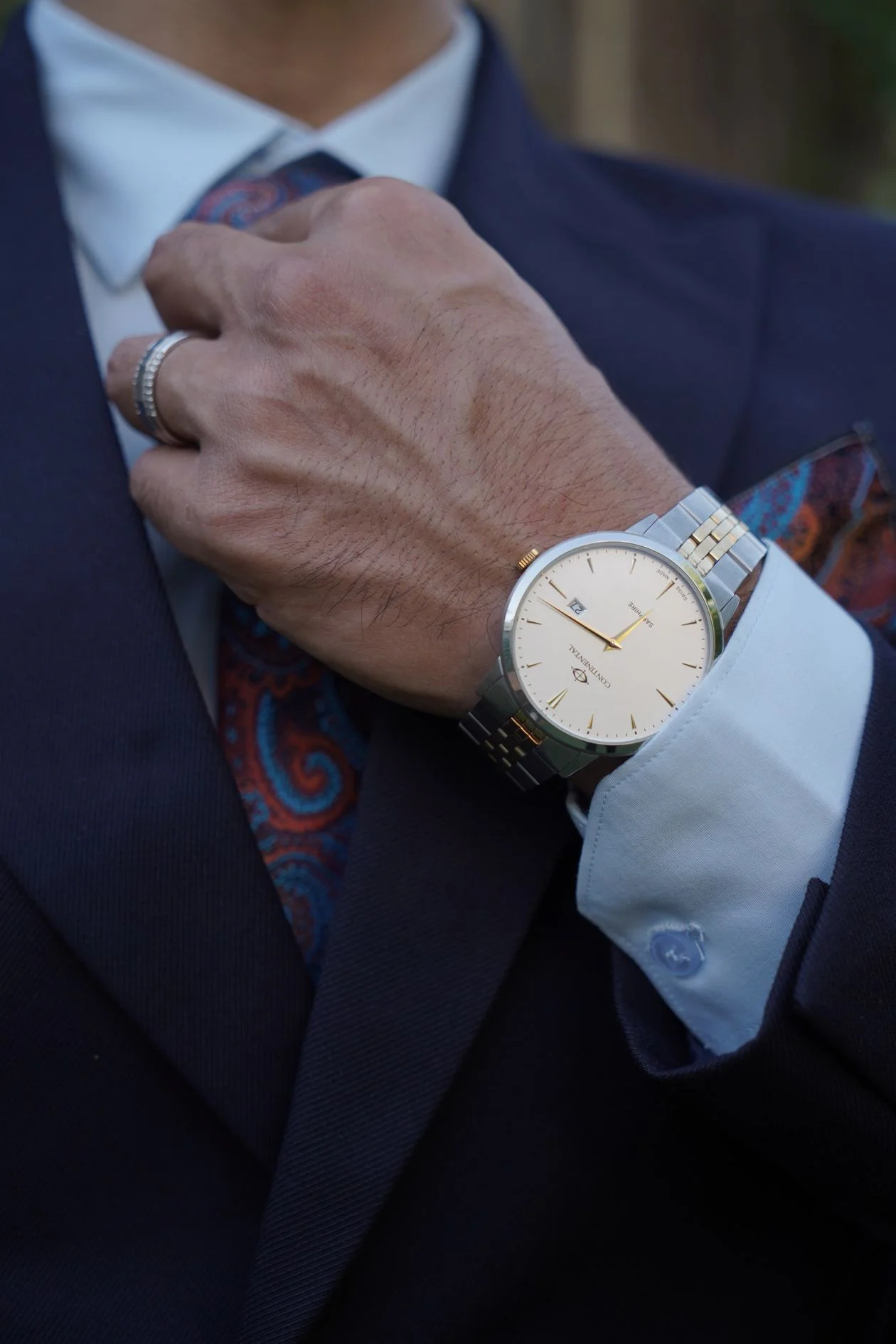
Case diameter is the number everyone quotes, and it still matters for watch sizes for your wrist, if you treat it as a range, not a single perfect size. As a starting point, a 6 to 6.5-inch wrist suits 34 to 38mm, a 6.5 to 7-inch wrist suits 36 to 40mm, a 7 to 7.5-inch wrist suits 38 to 42mm, and a 7.5 to 8-inch wrist suits 40 to 44mm. Ranges overlap because dial size, bezel width, and case shape change how big a watch looks, so two 40mm watches can differ on the same wrist.
Quick Tip: If you fall between two sizes, try the smaller one first. It will work under more cuffs, suit more occasions, and look deliberate rather than borrowed, and you can always go bolder with a second, sportier watch later.
Use the chart as a shortlist, and let the try-on test settle it. Getting watch sizes for your wrist right is about proportion on your wrist, not about hitting a fashionable number.
Do Not Ignore Case Thickness
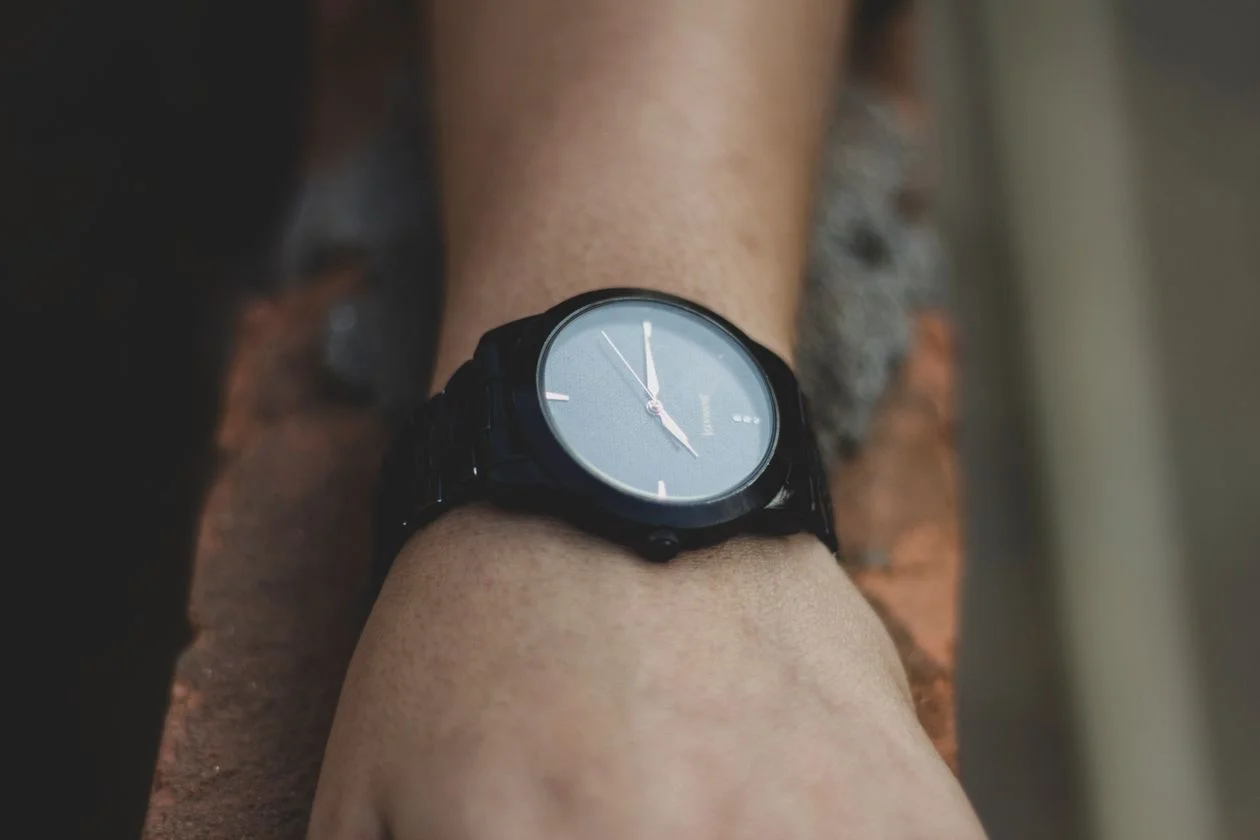
Thickness is the hidden reason a watch that fits on paper still feels wrong, because a tall case sits higher, catches on sleeves, and looks top-heavy on a slim wrist. Dress watches at 8 to 10mm slide under most cuffs, sport watches at 10 to 13mm work with most shirts, and dive watches at 13mm and above need casual sleeves. Judge watch sizes for your wrist sideways in a mirror, since the side profile shows how far it rises.
- DO: Check thickness for a dress watch, and test it under your usual cuff.
- DO: Prefer under 12mm for smaller wrists and formal wear.
- DON’T: Judge thickness from a front photo alone.
- DON’T: Assume large means thick, or small means thin.
A slim 42mm wears more gracefully than a chunky 38mm, so give thickness the same attention as diameter. If it will not sit under a cuff you wear weekly, that is a fit problem, not a styling preference, when you judge watch sizes for your wrist.
Get the Strap and Bracelet Fit Right
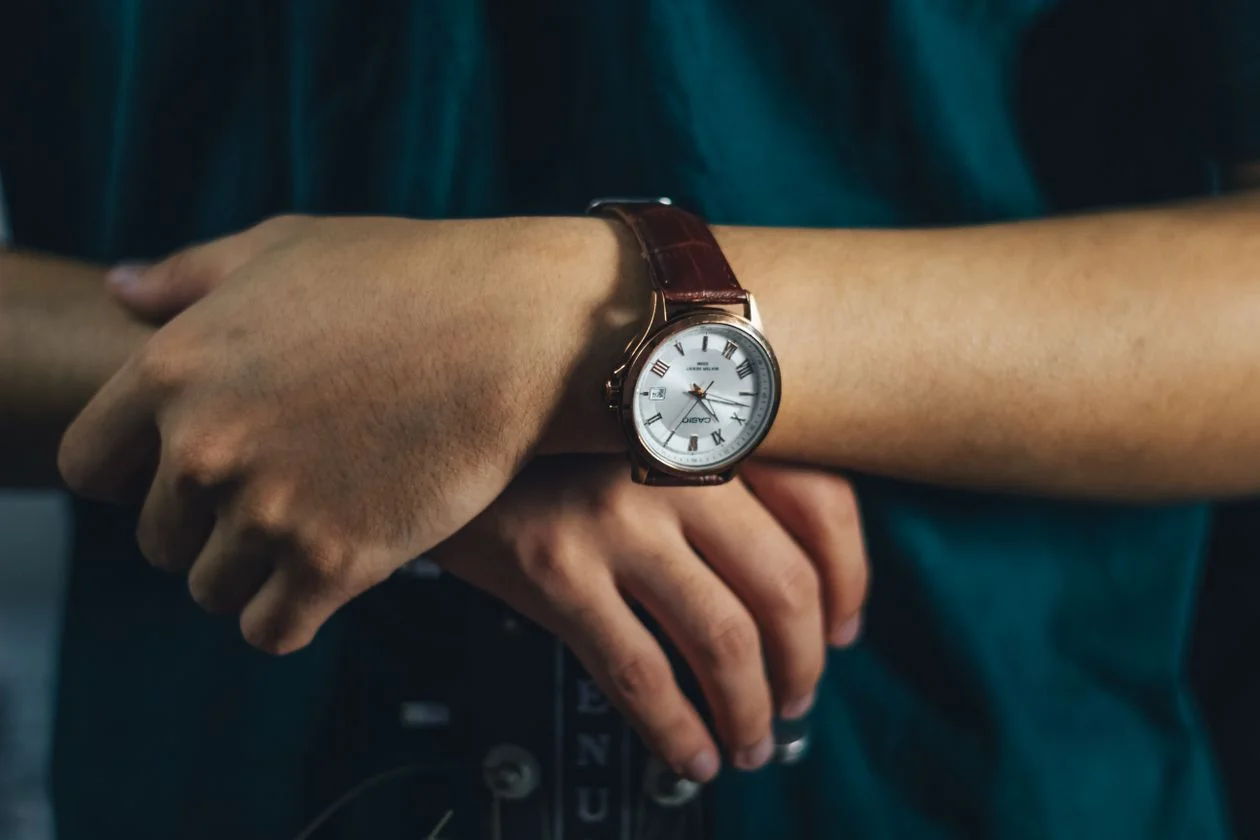
A perfect case still feels wrong on a badly fitted strap, so strap and bracelet fit are part of watch sizes for your wrist, not an afterthought. For leather and rubber, aim for one finger of slack, the buckle centered underneath, and two spare holes for hot days. For steel, add or remove links until it sits snugly with one finger of slack, fine-tune with the clasp micro-adjustment, and keep spare links safe.
Before: A loose bracelet slides over the wrist bone and lets the watch head flop, making a well-sized case look careless.
After: The same watch, one link tighter with the clasp centered, sits still and feels secure without pinching.
Check strap length as well as width, with lug width roughly half the case diameter: short suits under 6.5 inches, standard 6.5 to 7.25 inches, long suits larger wrists. A too-long strap leaves a flapping tail, a too-short one pulls the buckle off-center, so size both ends for watch sizes for your wrist.
Small Wrists, Large Wrists: Adjust the Rules

Small and large wrists do not need different rules, just different starting points, and the same measurements still decide the fit. Under 6.5 inches, start with 34 to 38mm, lug-to-lug under 48mm, thickness under 12mm, and curved lugs. Over 7.5 inches, start with 40 to 44mm, lug-to-lug up to 52mm, and a dial that does not look lost, while checking for overhang. In both cases, watch sizes for your wrist should leave the case on the flat top of your wrist, not spilling over.
Budget note: You do not need a new watch to test a size range: borrow one, try display models, or wear paper templates in the diameters you are considering for an hour at home. A free paper test can save an expensive return and tells you more about proportion than any chart for watch sizes for your wrist.
Flat wrists can wear a millimeter or two larger than round wrists, so treat ranges as starting points. A size you forget you are wearing is usually right.
Try It On Before You Buy
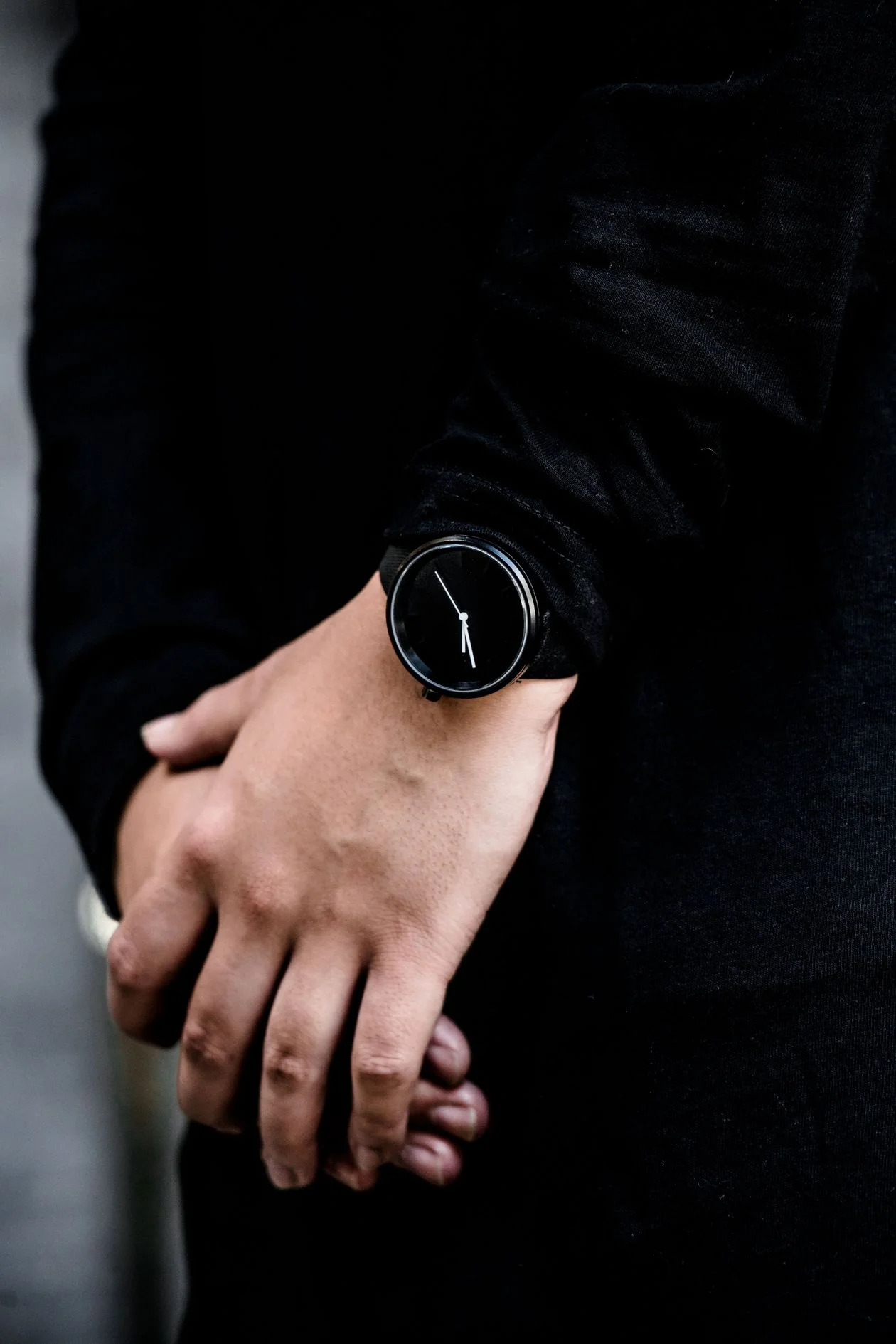
No chart replaces a try-on, because wrist shape, case shape, and personal taste all shift the result by a millimeter or two. Try it where you normally wear it, fasten it at your usual tightness, then bend your wrist, slide a cuff over it, and type for a minute. Check it in a mirror from arm’s length, as others see it, and see whether the lugs sit flat or the case rocks. Choosing watch sizes for your wrist in a shop takes five minutes and can prevent a return that takes weeks.
A good try-on for watch sizes for your wrist also tests strap, clasp, and weight, not just diameter, so fasten it properly first. If you are buying online, use the shop’s return policy as your try-on, and keep the tags on until you have worn the watch around the house for an hour. If it slides, pinches, or catches on every sleeve, it is the wrong size, even if the chart said it should fit.
Size-Chart Mistakes to Avoid
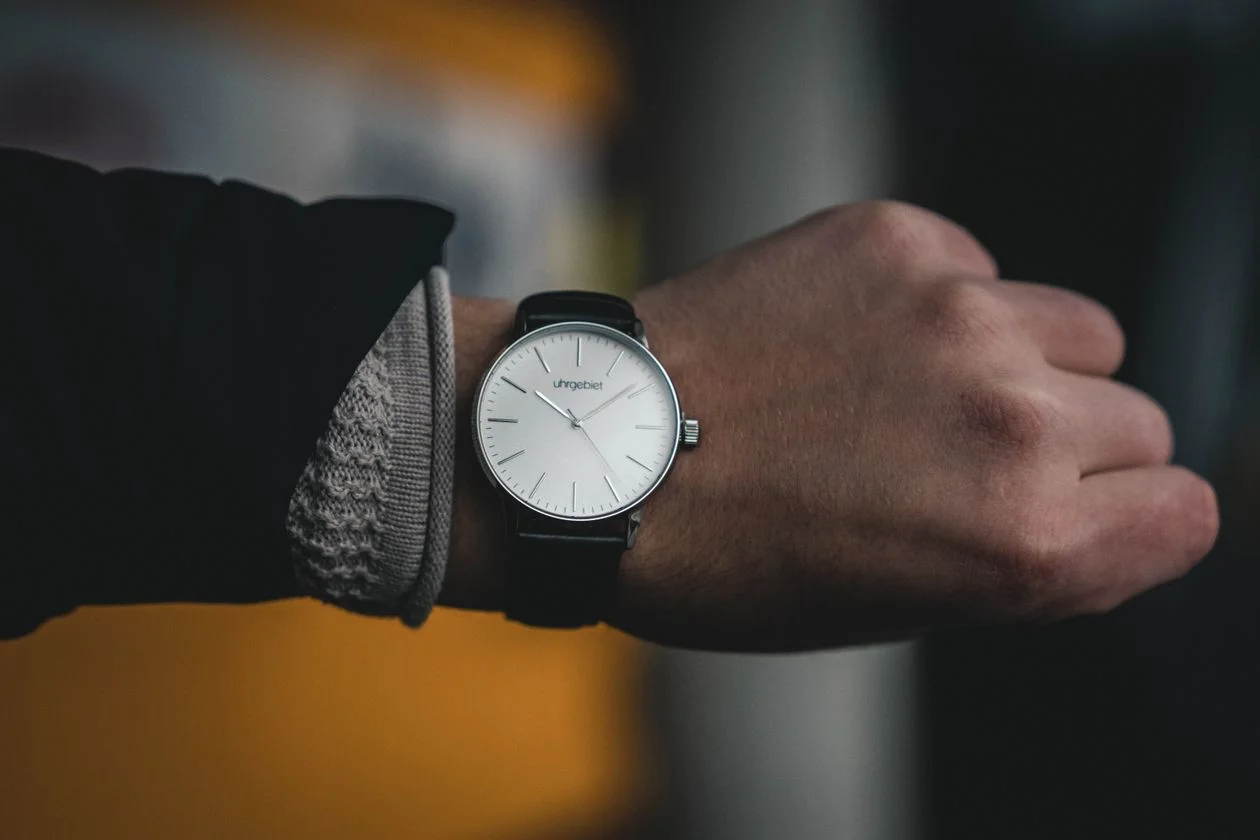
Size charts help only with the right numbers; the most common mistake is measuring the wrong thing, or loosely. Never measure over a sleeve, with a stretched tape, or by diameter alone, ignoring lug-to-lug and thickness. Another mistake is copying a celebrity’s size without checking your own wrist, since the same 44mm looks very different on 6-inch and 8-inch wrists. Getting watch sizes for your wrist right means trusting your own measurements over a photo.
- Re-measure your wrist in millimeters, just below the bone, with a snug, non-stretch tape.
- Write down case diameter, lug-to-lug, and thickness for every watch you shortlist.
- Compare all three numbers with your wrist, not just the headline diameter.
- Try the watch on, or use a paper template, before you commit to a final size.
If a chart and your wrist disagree, believe your wrist; if two charts disagree, check inches versus centimeters. A second measurement is cheaper than a return, and turns watch sizes for your wrist into a repeatable method.
Conclusion
From a first tape measurement to a final try-on, the range in this guide runs from the quickest check, your wrist circumference, to the most detailed check, lug-to-lug plus thickness plus strap fit, and every step can be adjusted to your wrist shape, budget, and routine. Smaller wrists suit shorter, slimmer cases, larger wrists suit bolder cases with enough dial presence, and everyone benefits from a case that sits flat, a strap that stays put, and a thickness that works with their sleeves. The numbers narrow the choice, but the fit on your wrist makes the final decision for watch sizes for your wrist.
Save the 2 or 3 sizes that felt best on you, such as a 38mm dress watch and a 41mm everyday watch, and take those numbers, plus your wrist measurement, with you when you shop. Photograph each candidate on your wrist from arm’s length, compare the photos at home, and keep the one you forget you are wearing. For more everyday inspiration, browse our watches collection and our guide to affordable luxury watches, and let watch sizes for your wrist guide the shortlist, not the hype.
Frequently Asked Questions
How do I measure my wrist for a watch?
Wrap a soft tape, or a strip of paper you later measure with a ruler, snugly around your wrist just below the wrist bone, where a watch naturally sits. Record the number in millimeters for the best accuracy, and measure twice on different days, using the larger number if they differ. This measurement is the starting point for watch sizes for your wrist.
What is the average wrist size for a watch?
Most adult men measure around 7 to 7.5 inches, roughly 17.8 to 19cm, and most adult women around 6 to 6.5 inches, roughly 15.2 to 16.5cm, according to size-guide FAQs. Averages are only a rough guide, though, because that range spans more than one fit profile. Measure your own wrist once, and you will never need to guess watch sizes for your wrist again.
Is a 38mm watch too small for a man?
No, a 38mm watch is not too small for most men, especially on wrists up to about 7 inches, where it reads as classic rather than tiny. It suits dress watches, vintage styles, and slimmer wrists particularly well, and it slides under cuffs more easily than a larger case. If your wrist is over 8 inches, though, a 38mm watch may start to look small.
Is a 40mm watch too big?
A 40mm watch is not too big for most wrists, and it is one of the most common modern sizes for a reason. It usually suits wrists from about 6.5 to 7.5 inches, provided lug-to-lug stays within your wrist width and thickness is not excessive. On a wrist under 6 inches, check the fit carefully, because long lugs can make a 40mm case overhang.
What does lug-to-lug mean?
Lug-to-lug is the distance from the tip of the top lugs to the tip of the bottom lugs on a watch case, measured end to end. It tells you how tall the watch sits on your wrist, while lug width, the gap between the lugs, tells you which strap width fits. For watch sizes for your wrist, lug-to-lug matters because it decides whether a case overhangs your wrist.
How do I measure my watch strap size?
Measure two things: lug width, the inside gap between the lugs in millimeters, for strap width, and wrist circumference for strap length. Common strap lengths run about 110/70mm for extra-small wrists, 120/75mm for small wrists, 125/80mm for medium wrists, and 130/85mm for large wrists, listed as long part and short part. Always confirm your own numbers before ordering.
What size should I choose if I am between two sizes?
If you are unsure between two sizes, choose the smaller one: it is more versatile, sits better under cuffs, and looks deliberate on more occasions. You can add a bolder watch later, but a slightly too-large watch is harder to wear daily. When in doubt, try both on and pick the one you forget you are wearing — the best test for watch sizes for your wrist.


