
The Tiny Watch Trend: Does It Work for Bigger Wrists?

Tiny watch trend headlines make it sound like everyone should suddenly wear a 23mm watch, but that is not quite what is happening, and it is certainly not the whole story for a bigger wrist. The most talked-about mini watches of 2026 measure between 18 and 26 millimeters, read more like bracelets than tool watches, and were made famous by vintage-inspired styles such as the Cartier Mini Baignoire. On a wrist over 7.5 inches, that ultra-tiny size will usually look like jewelry, not like a watch you chose for proportion.
The 8 sections below cover what the trend really is, why smaller watches returned, how to judge proportion, lug-to-lug, thickness, straps, styling, and when to skip it, so you can decide with measurements instead of hype. If you like the idea of a smaller, quieter watch, the version of the tiny watch trend that works for you is probably 34 to 38 millimeters, not 20 millimeters. For more affordable luxury context, see our guide to affordable luxury watches.
What the Tiny Watch Trend Actually Is
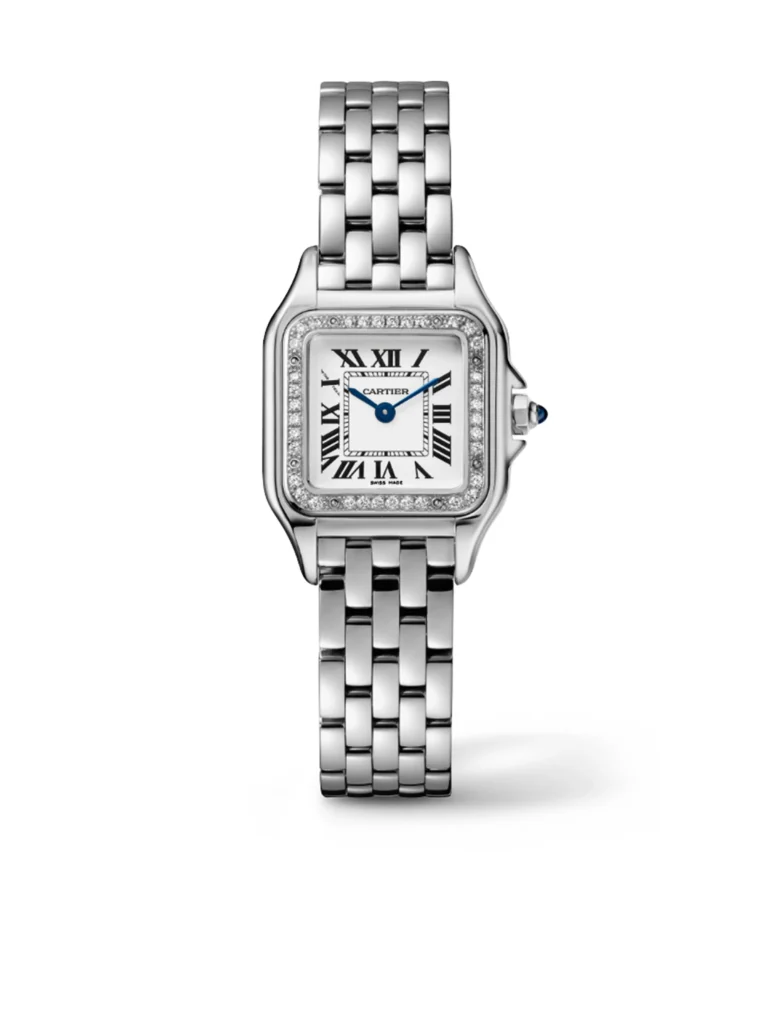
The tiny watch trend, as covered in 2026, means watches under 30 millimeters, with the most coveted styles at 18 to 26 millimeters, worn as jewelry as much as timekeepers. Think small vintage cases, slim bracelets, and dials that sit quietly on the wrist instead of announcing themselves across a room. It grew out of quiet luxury, vintage fashion, and a reaction against the oversized watches of the 2000s and 2010s, and brands from Cartier to Audemars Piguet have joined it with mini versions of famous designs.
- Check the case diameter first, in millimeters, excluding the crown.
- Ask whether you want a watch, a bracelet, or something in between.
- Try it on, then step back and look in a mirror from two meters away.
- Decide if you can read the time at a glance, without squinting.
That mirror test matters because the tiny watch trend rewards intention, and a watch that disappears entirely on your wrist usually reads as an accident, not a choice.
Why Small Watches Came Back
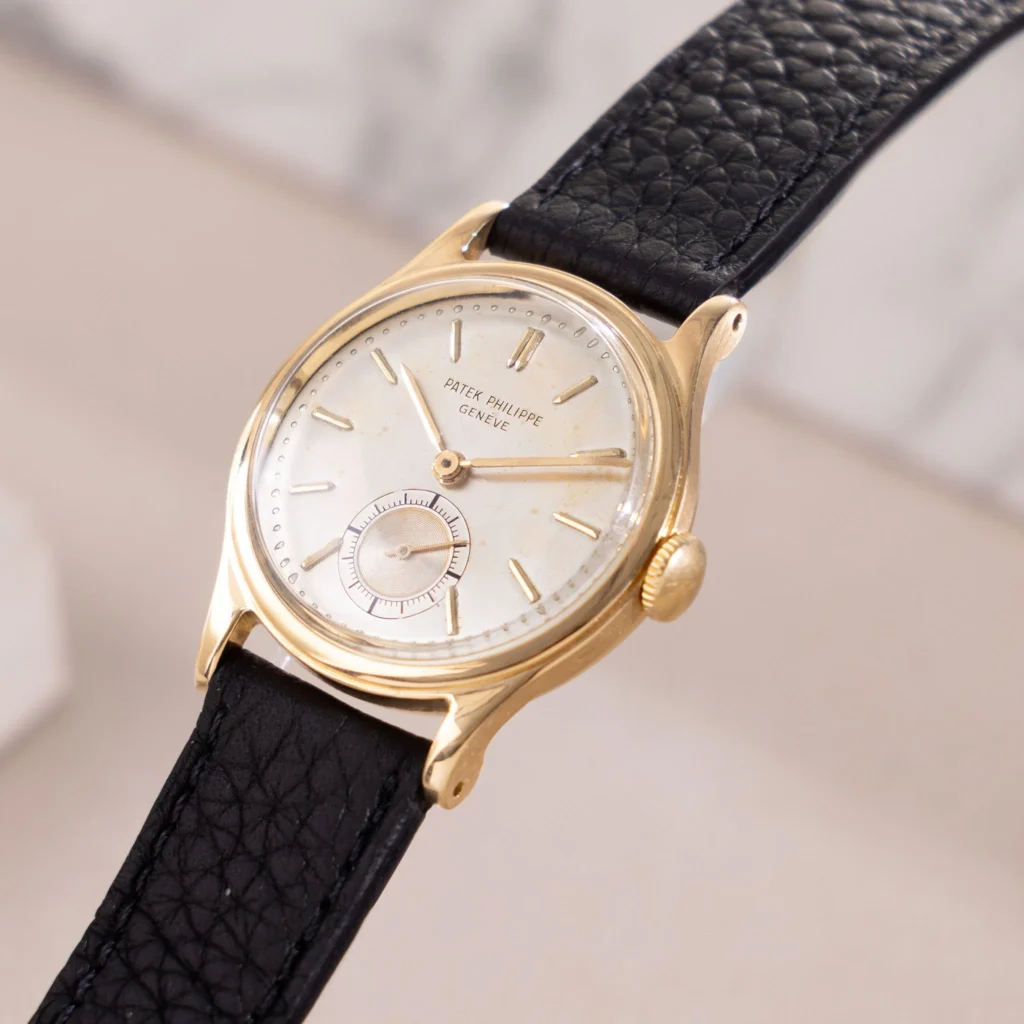
Small watches are not actually new, which is part of why the tiny watch trend feels familiar rather than strange. Through the 1950s and 1960s, mainstream men’s watches usually measured 33 to 36 millimeters, and the oversized era from the late 1990s through the 2010s was the detour. Buyers are also rediscovering older, smaller models secondhand, where a 34mm or 36mm classic often costs less than its larger modern equivalent.
- Vintage proportions feel calmer under a shirt cuff and with tailored clothes.
- Smaller cases are lighter, so they slide less and sit more comfortably all day.
- A modest dial suits a watch worn for style, since most of us check phones for the time.
- Classic sizes age better, because they are less tied to one decade’s fashion.
If you already own a 42mm or 44mm watch, the tiny watch trend does not mean you must replace it, and keeping one larger watch for weekends is a sensible, low-cost way to test the shift.
Wrist Size and Proportion
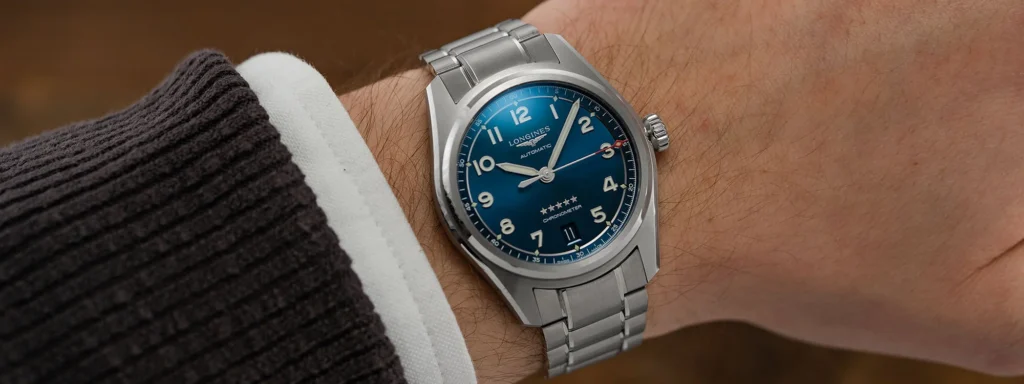
Proportion, not a single number, decides whether the tiny watch trend works on a bigger wrist, so start by measuring your wrist just above the wrist bone with a soft tape. Most guides put a large wrist at over 7.5 inches, or about 19 centimeters, and suggest 42 millimeters and up, with lug-to-lug over 50 millimeters. That does not mean a 38mm watch is automatically wrong, but a 23mm watch will cover only a small strip of a wide wrist.
Quick Tip: Lay the watch flat across your wrist and check the edges. If the case covers roughly the middle of your wrist, the proportion reads deliberate. If it sits like a coin on a plate, the tiny watch trend has gone too far for that wrist, and a 36mm or 38mm case will usually restore the balance.
A 36mm or 38mm watch can still look intentional on a large wrist, especially with a strong dial and a well-fitted bracelet, so use proportion as your test, not a chart alone.
Lug-to-Lug Matters More Than Diameter
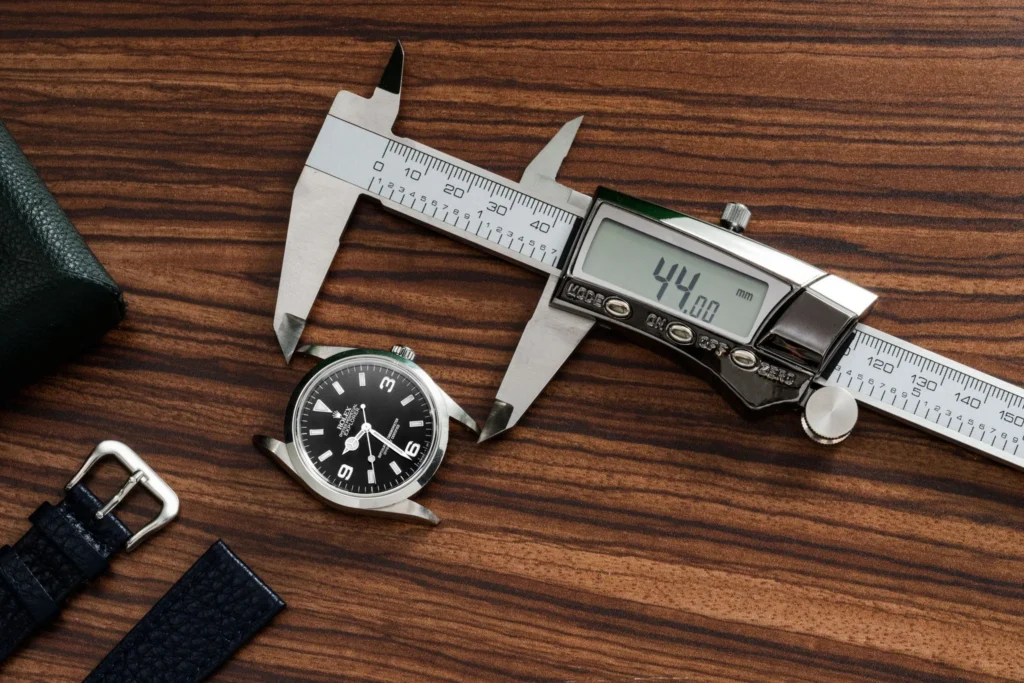
Case diameter gets all the attention, but lug-to-lug, the distance from the top lug to the bottom lug, decides how a watch actually sits, and it matters even more when you are testing the tiny watch trend on a bigger wrist. A 40mm watch with short lugs can wear smaller than a 38mm watch with long lugs, because long lugs stretch across the wrist. For large wrists, guides commonly suggest lug-to-lug over 50 millimeters.
DO:
- Measure lug-to-lug from the maker’s specifications before you buy online.
- Check the lugs sit within your wrist width.
- Compare lug-to-lug across models, not just the headline diameter.
DON’T:
- Do not buy on diameter alone, especially for square or rectangular cases.
- Do not ignore lug shape.
- Do not assume a bracelet will fix a too-small case.
Judged this way, a compact 38mm watch with a 46mm lug-to-lug can work under the tiny watch trend, while a 30mm watch with short lugs usually cannot.
Case Thickness and the Cuff Test
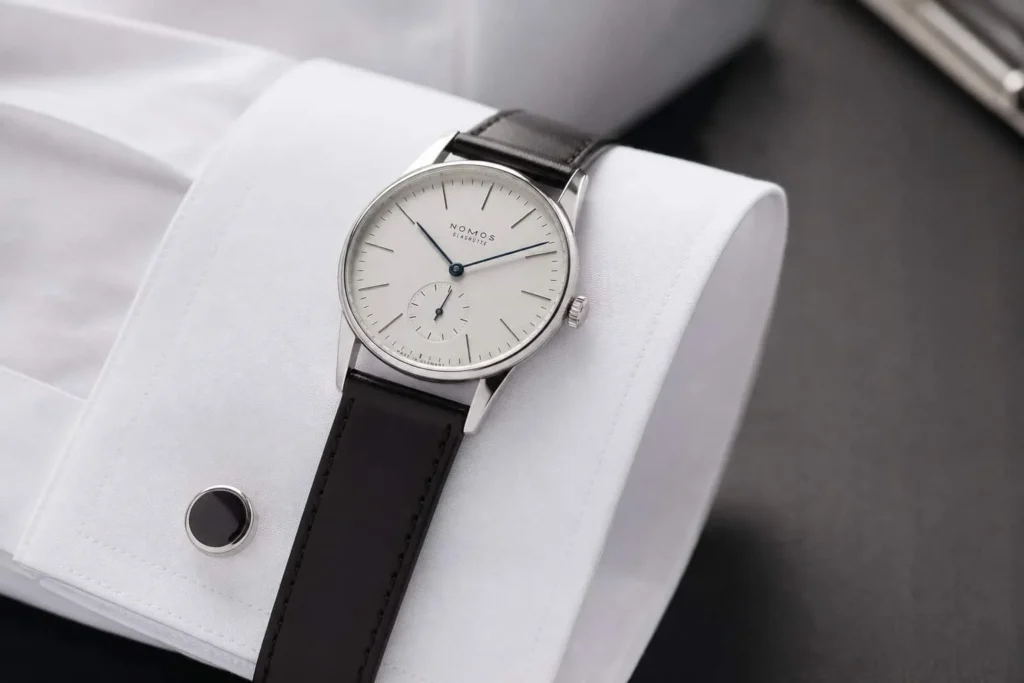
Thickness is the quiet advantage of the tiny watch trend, and it is why a smaller watch can feel so good even when its diameter surprises you. A slim case, around 8 to 11 millimeters for a modern dress watch, slides under a cuff and sits flat. A thick dive watch, by contrast, can measure 15 millimeters or more and will dominate a wrist, so check thickness alongside size.
Before: A tall, heavy case lifts off the wrist, slides toward your hand, and fights every cuff you own, making even a well-sized dial feel clumsy.
After: A slim case hugs the wrist, stays centered, and lets a smaller dial read as refined rather than lost, because the watch is not competing with its own height for attention.
That cuff test is a practical reason to try the tiny watch trend in a dress watch first, since a slim 36mm dress watch often wears better on a big wrist than a thick 34mm sports watch.
Strap Choices That Change Everything
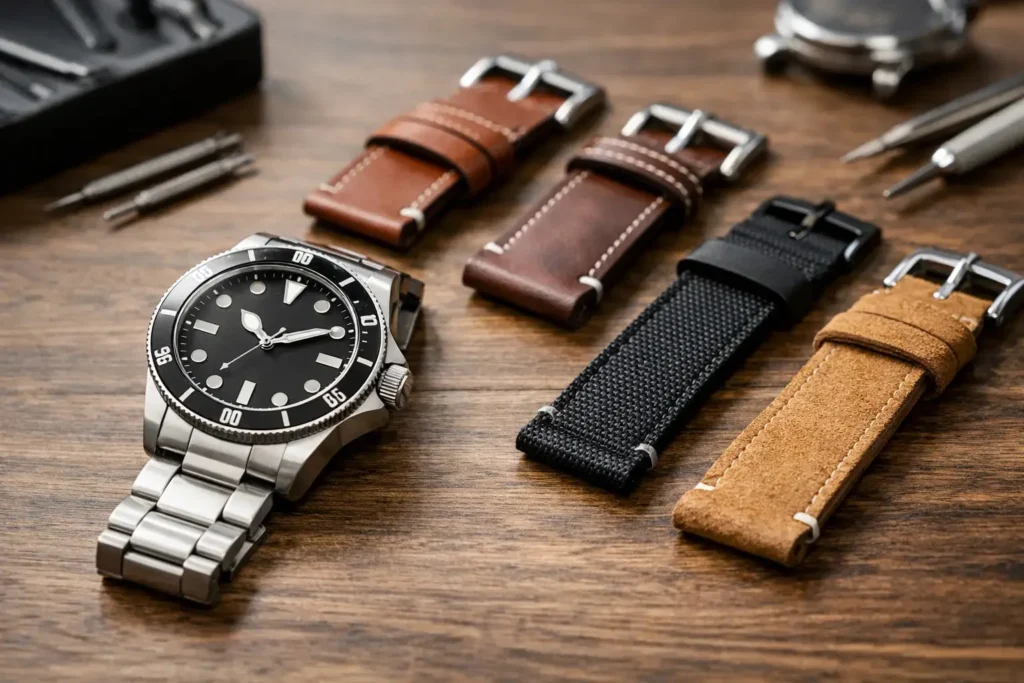
A strap can rescue a small watch or ruin it, and on a bigger wrist the strap is where the tiny watch trend most often goes wrong. A good rule is that strap width should be roughly half the case diameter, so a 38mm case pairs with about a 20mm strap, while a 36mm case pairs with about 18mm. A narrow 14mm strap on a wide wrist will make the whole watch look smaller, while a 20mm strap or a bracelet with solid end links will anchor the case.
Budget note: You do not need a new watch to test this. A $30 to $60 strap in the right width will show you in one day whether a smaller case can work, and costs far less than a mini watch you later regret. Try a bracelet first for presence, since metal adds visual weight.
If the strap still leaves the watch looking stranded, the tiny watch trend is not the problem; the case is simply too small.
Styling a Small Watch on a Bigger Wrist
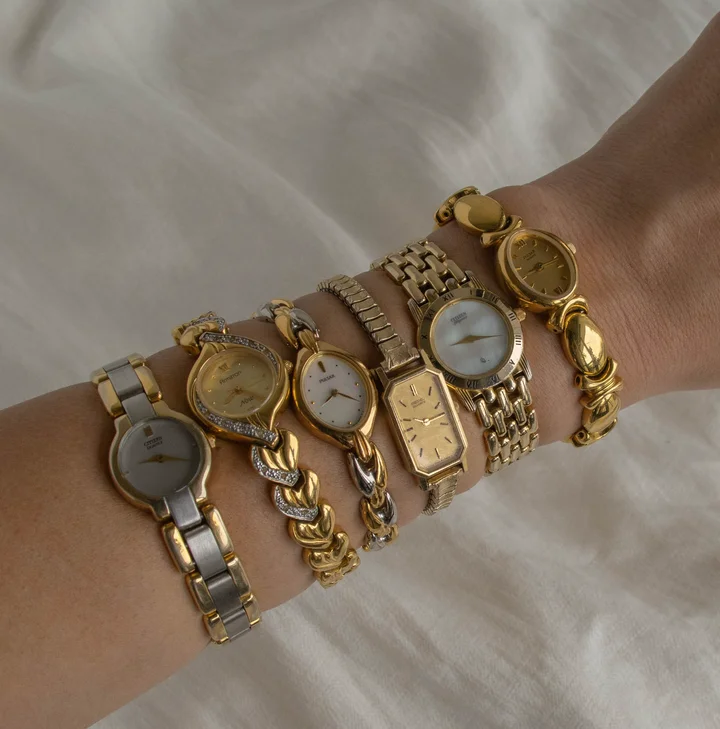
Styling is where a small watch on a bigger wrist can look deliberate instead of accidental, because the outfit around it sets the scale. A small watch works best with tailored clothes, a slim cuff, and one or two quiet accessories, where its size reads as restraint. It struggles next to a chunky bracelet stack or a bold sports outfit, where everything else is loud, so keep the rest of the wrist calm.
Wear the watch centered on the wrist, not sliding toward your hand, and let the dial do the talking with a clean face, strong hands, and good contrast. A dark dial with light markers reads larger than a pale dial of the same size, and a bracelet carries more presence than a thin leather strap. That is how the tiny watch trend can look intentional on a bigger wrist.
Give the look a full day before you judge it.
When to Skip It and Go Bigger
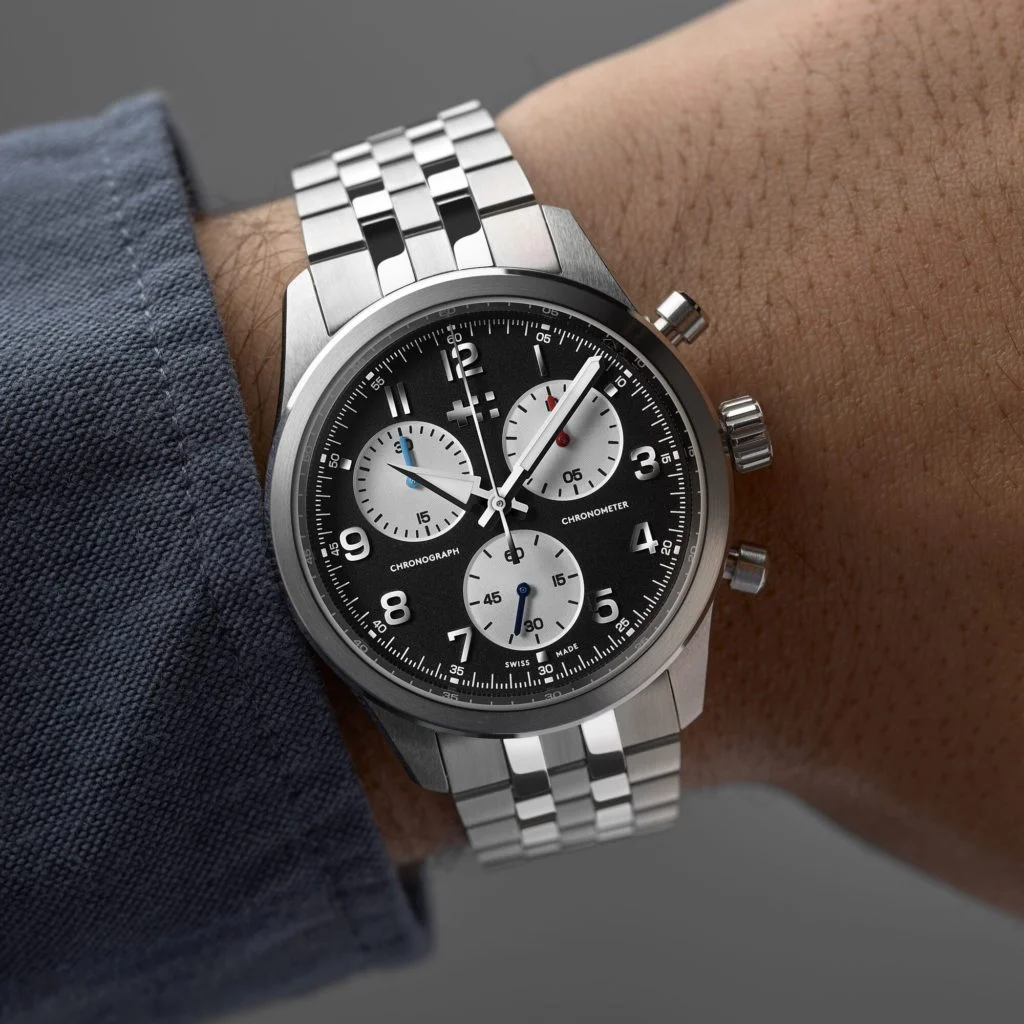
There are honest moments to skip the tiny watch trend, and admitting them will save you more money than forcing a size that never felt right. Skip ultra-tiny watches, under 30 millimeters, if you need to read the time quickly at work, if your wrist is over 8 inches, or if you simply like presence, since a watch should still function as a watch first. A 42mm to 44mm sports watch or a 41mm diver will usually suit a bigger wrist better for daily wear and travel.
- Skip it if you cannot read the dial at arm’s length in normal light.
- Skip it if the lugs cover less than half your wrist width.
- Skip it if you keep checking your phone because the watch feels ornamental.
- Choose bigger if presence, legibility, or water resistance matters most that day.
The tiny watch trend is an option, not a rule, and a bigger watch worn with confidence always looks better.
Conclusion
From a 23mm mini watch to a slim 38mm dress watch, the tiny watch trend covers a wide range, and only part of that range makes sense on a bigger wrist. The ultra-tiny end, at 18 to 26 millimeters, will usually read as jewelry and look lost on a wrist over 7.5 inches, while the moderate end, at 34 to 38 millimeters with sensible lug-to-lug, good thickness, and the right strap, can look refined, comfortable, and entirely intentional. Every option here can be adjusted to your wrist width, your cuff, and your routine, so let measurements and a mirror test guide you more than a headline.
Save the 2 or 3 sizes that felt most like you, such as a 38mm dress watch for work and a 41mm diver for weekends, and take photos of each on your wrist to compare at home before you buy. Browse more in our watches category to compare styles, and check a size guide such as the Superlative Rolex size guide for model-by-model proportions. The tiny watch trend works for bigger wrists when you choose the moderate version of it, and that measured choice is what makes a small watch look like yours.
Frequently Asked Questions
Is a 38mm watch too small for a man?
No, a 38mm watch is not too small for most men, and it sits comfortably in the classic range that was normal for decades. On a bigger wrist it can still work, especially with a strong dial, a 20mm strap or bracelet, and lug-to-lug near 46 to 48 millimeters. The tiny watch trend at 38mm reads as refined, while an ultra-tiny 23mm watch is a different, jewelry-like choice.
What size watch is best for a large wrist?
For wrists above 180mm, or about 7.1 inches, guides commonly suggest 42mm to 45mm cases for a balanced, substantial look, with lug-to-lug over 50 millimeters. A 38mm to 40mm watch can still look intentional if it has presence, a good strap, and proportions that suit your wrist. Use the tiny watch trend as a reason to try 38mm, not as a rule to wear the smallest watch available.
Does lug-to-lug matter more than case diameter?
Yes, lug-to-lug often matters more, because it decides how much of your wrist the watch actually covers and whether the lugs overhang. A 40mm watch with short lugs can wear smaller than a 38mm watch with long lugs, and diameter alone hides thickness, bezel size, and lug shape. When you test the tiny watch trend, compare lug-to-lug first, then diameter, then thickness.
How do I measure my wrist size?
Wrap a soft tape, a strip of paper, or a shoelace snugly around your wrist just below the wrist bone, mark where it overlaps, then lay it flat against a ruler. That number, in inches or centimeters, is your wrist size, and most guides treat over 7.5 inches as large. Measure once, write it down, and use it with lug-to-lug before you judge any part of the tiny watch trend.
How do I choose a watch for my wrist size?
Measure your wrist, then match case diameter, lug-to-lug, and strap width to it, rather than copying a celebrity or a chart alone. As a rough guide, wrists of 15 to 18 centimeters suit 34mm to 43mm cases, while wrists of 19 to 24 centimeters suit 42mm to 46mm cases. Try the watch on, check it from a distance, and let comfort and proportion decide, even within the tiny watch trend.
What strap width should I choose for my wrist?
A useful rule is that strap width should be about half the case diameter, so a 40mm case pairs with a 20mm strap and a 44mm case pairs with a 22mm strap. On a bigger wrist, avoid very narrow straps, since they make a small case look even smaller. A bracelet or a tapered strap that stays broad at the lugs will help the tiny watch trend look balanced.
How tight should a watch fit?
A watch should feel secure without leaving marks or sliding freely, and you should be able to fit a finger under the strap while the case stays centered. If it slides toward your hand, it will look smaller and read worse, which matters even more for a small case. Adjust the strap, check the clasp, and wear it for an hour before you decide on any tiny watch trend size.


