
How To Wear A Watch The Right Way

How to wear a watch the right way starts with one calm decision: put comfort first, and let style follow from there. A watch that pinches, slides, or fights your sleeve will distract you all day, however good it looks in the box. The 8 rules below cover wrist, fit, position, cuffs, matching, occasion, stacking, and the mistakes worth skipping, so you can wear the watch you already own with more confidence.
Each rule below tells you what to do, why it works, and how to check it in about a minute. When you learn how to wear a watch well, you are really learning a few small habits: pick the quiet wrist, set a snug fit, keep the case in the right place, and match the strap to the rest of your outfit. If you are choosing a first piece, our guide to affordable luxury watches is a useful place to compare styles before you commit.
Choose Your Wrist First

When you learn how to wear a watch, start with your non-dominant wrist, because that hand moves less during writing, eating, and everyday tasks. If you are right-handed, that usually means the left wrist; if you are left-handed, the right wrist is the usual starting point. The crown also sits on the right side of most cases, so it is easier to adjust with your dominant hand when the watch is on the other wrist.
- Hold a pen and write a few words, then notice which wrist stays calmer.
- Put the watch on that calmer wrist and bend your hand freely.
- Check that the crown does not dig into the back of your hand.
- Wear it for a full morning before deciding the rule does not suit you.
Learning how to wear a watch on the quieter wrist protects the case from knocks and keeps the dial easy to read. See the Timex wrist guide if you want the history behind the tradition.
Get the Fit Right
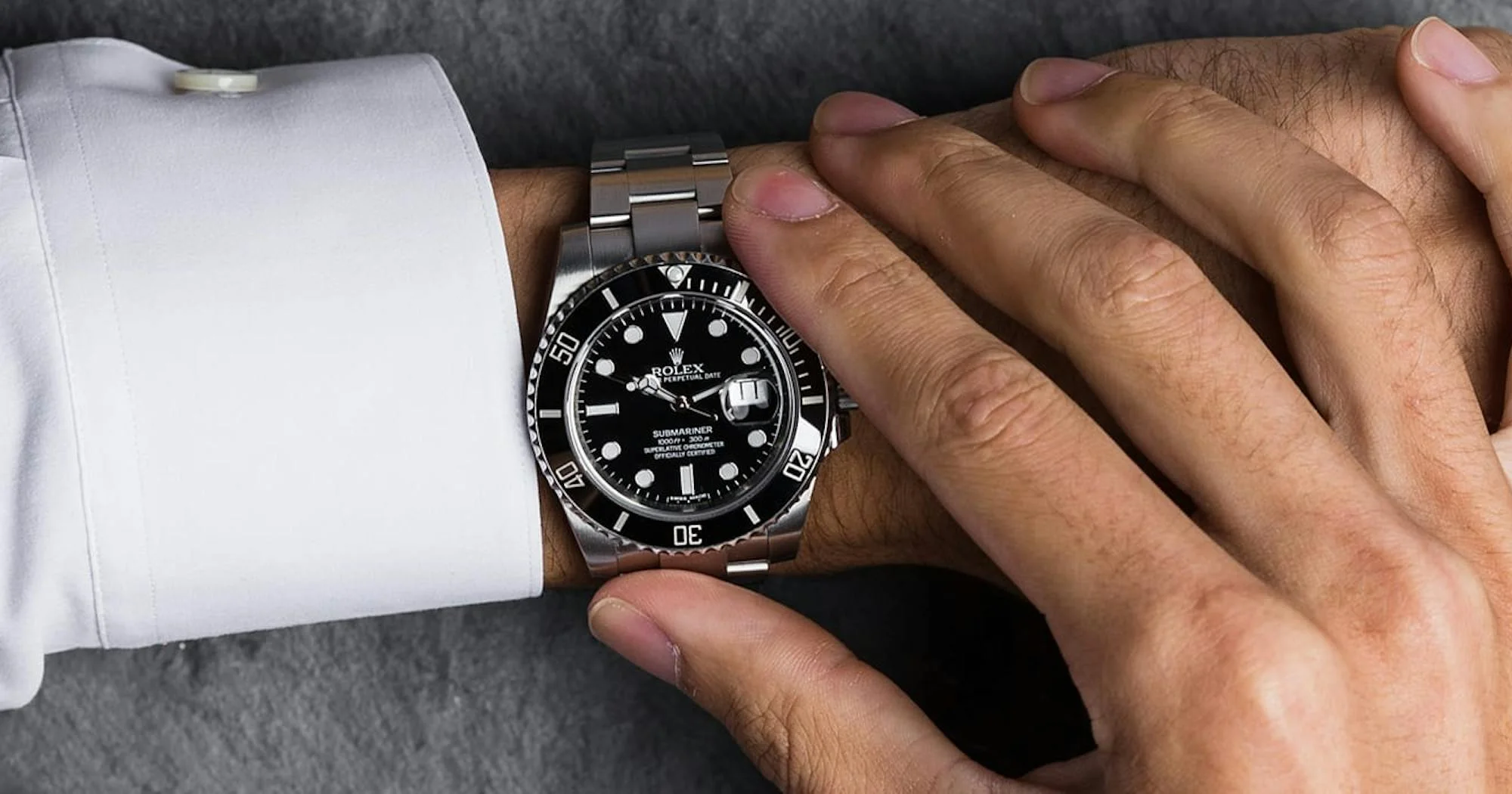
A good fit is snug, not tight, and when you learn how to wear a watch comfortably, the finger test is the simplest check. Slide one finger between the strap and your wrist: it should fit with gentle resistance, not force, and not a wide gap. The watch should stay centered on top of your wrist, not spin to the side or slide up your forearm when you move.
- Tighten until the case stops rotating, then check for red marks after ten minutes.
- Loosen one hole or link if you see a deep imprint or feel pulsing pressure.
- Re-check in warm weather, since wrists can swell slightly during the day.
- For a bracelet, use the micro-adjustment holes before removing a whole link.
When you know how to wear a watch at the right tension, it feels like part of your wrist rather than a weight on it. A fit that is right in the morning should still feel right after lunch.
Sit It Just Above the Wrist Bone
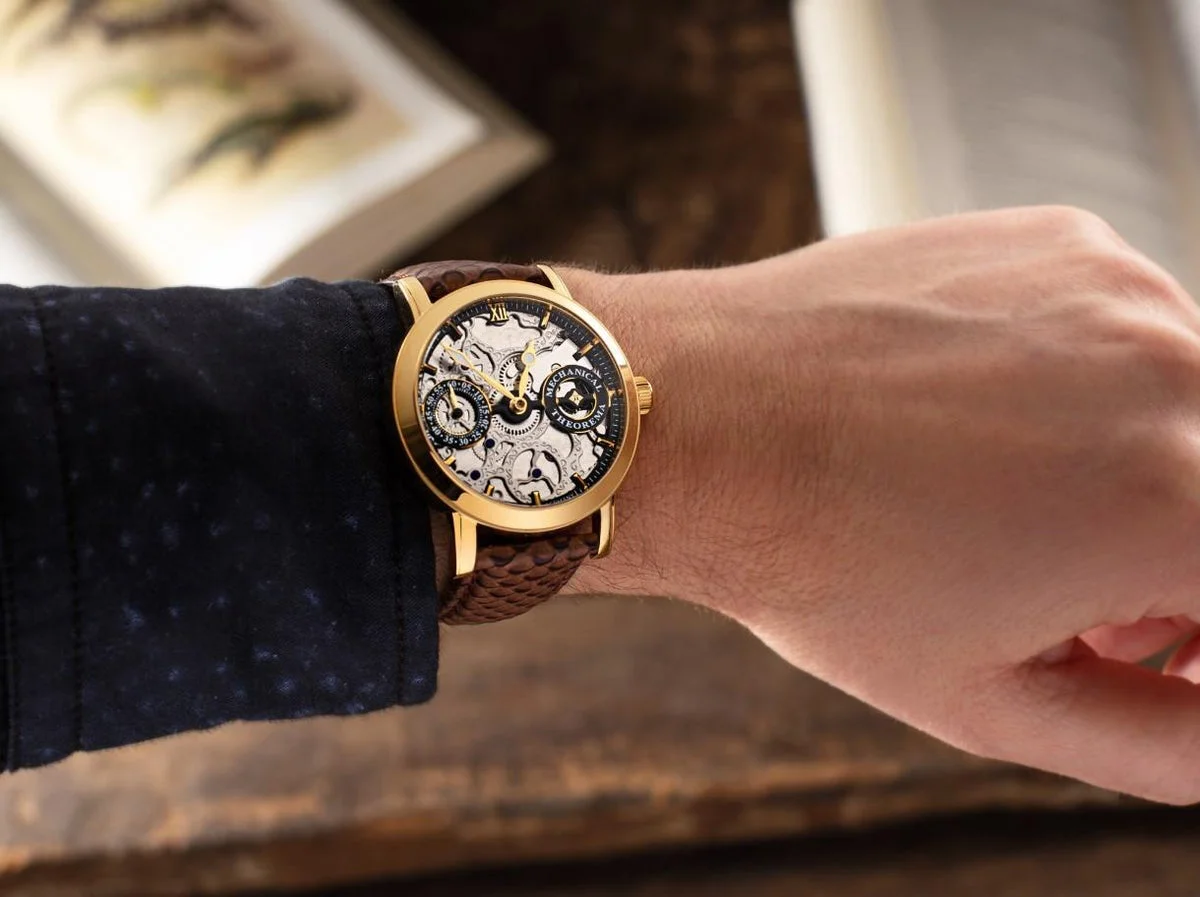
Position matters as much as tightness, and when you learn how to wear a watch well, the sweet spot is just above the wrist bone, on the flat part of your wrist. That spot keeps the case from pressing into the bone when you bend your hand, and it stops the watch from sliding over your hand and catching on sleeves or pockets. The dial should face up and sit flat, not tilted toward your thumb or little finger.
Quick Tip: Stand with your arms relaxed at your sides and glance down. You should see the dial without twisting your wrist hard, and the case should not disappear up your forearm or dangle over your hand. If it does either, move it one small step and re-check.
Knowing how to wear a watch in that flat spot also helps a bracelet or strap wear evenly. Check the position again after you put on a jacket, because a tight sleeve can push it out of place.
Let It Peek From Under Your Cuff

With a long-sleeved shirt, the classic look is a watch that peeks out when you bend your arm, not one that is hidden all day or worn over the cuff. When you learn how to wear a watch with a suit, aim for a slim case that slides under the cuff without pulling the sleeve up.
- DO: Choose a thinner dress watch for narrow cuffs.
- DO: Let the sleeve fall over the top edge of the case.
- DO: Check the look with your jacket buttoned, not just the shirt.
- DON’T: Wear the watch over the shirt cuff or jacket sleeve.
- DON’T: Force a thick diver under a tight cuff and crease the fabric.
- DON’T: Push the sleeve up and leave it bunched all day.
When you know how to wear a watch this way, the reveal feels intentional rather than accidental. If the cuff constantly catches, the case is probably too thick for that shirt.
Match Metal, Leather, and Shoes
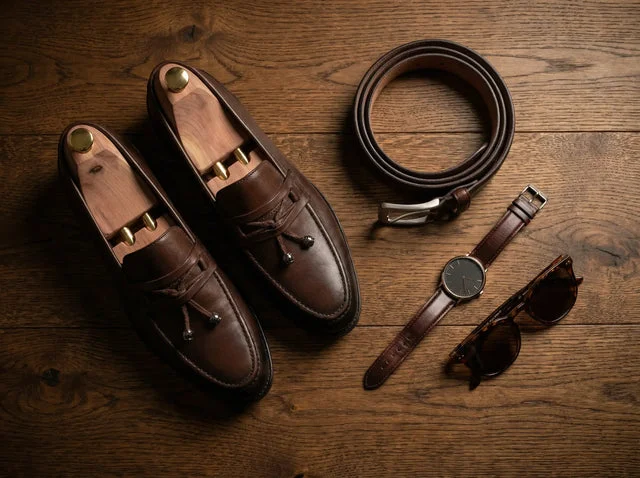
Matching does not mean everything must be identical, but when you learn how to wear a watch with an outfit, one simple rule keeps you safe: match the strap tone to your belt and shoes. Black leather goes with black shoes, brown leather goes with brown shoes, and steel goes with silver-toned buckles, cufflinks, and rings. A gold case pairs more naturally with gold-toned details than with bright silver.
Before: A black leather strap with tan shoes and a brown belt looks scattered, because the eye jumps between three different leather tones and none of them quite agree.
After: The same watch on a brown strap, with a brown belt and brown shoes, looks settled at once. The outfit reads as one decision, and the watch stops competing with the rest of your clothes.
Learning how to wear a watch in matching tones is the fastest way to look polished without buying anything new. Keep the metal family consistent too, and the whole look calms down.
Dress It Up or Down for the Occasion

The right watch changes with the room, and when you learn how to wear a watch for different occasions, thin and simple usually wins for formal events. A slim dress watch on leather disappears neatly under a cuff and never shouts over a suit. For weekends, a field watch, a diver, or a NATO strap looks relaxed with denim and a jacket.
Budget note: You do not need a separate watch for every occasion. One clean steel watch with two straps, leather for smart days and rubber or nylon for weekends, covers most of life for far less than a second watch. Swap the strap in two minutes and the same case changes character completely.
When you know how to wear a watch to suit the occasion, you also avoid the most common mistake: wearing a tool watch to a formal event just because it is expensive. Price does not make a watch formal; slimness and simplicity do.
Keep Stacking Simple
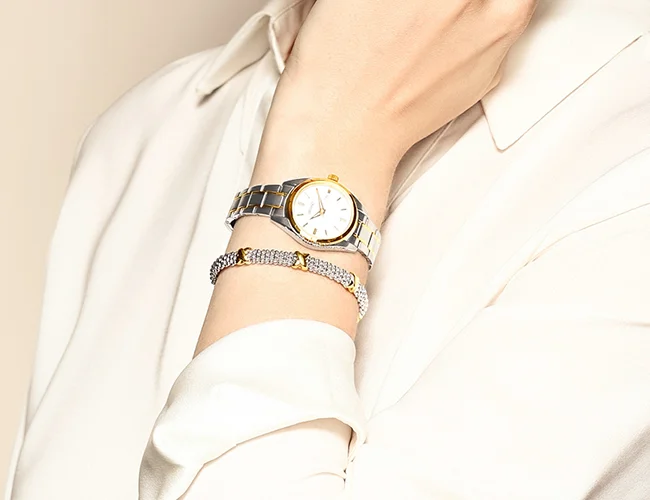
Stacking can work, but only when the watch stays the star, and when you learn how to wear a watch with a bracelet, less is almost always more. One slim bracelet in the same metal family, or one quiet leather band, adds texture without turning your wrist into a jumble. Two or three chunky pieces will knock against the case, scratch it, and pull attention away from the dial you chose.
A good stack feels balanced when you move your arm, not noisy or heavy. Keep the extra piece on the same wrist, close to the watch, and leave the other wrist bare. If the bracelet slides over the case or catches on the crown, it is too loose or too wide for that watch.
Knowing how to wear a watch with a simple stack also protects your investment, because fewer hard edges mean fewer scratches. If in doubt, wear the watch alone first, then add one piece and live with it for a day.
Avoid the Common Mistakes

Most watch mistakes are small habits, not big purchases, and when you learn how to wear a watch well, skipping them is easy once you notice them. Wearing the watch too loose, over a cuff, with clashing metals, or on the wrong wrist for heavy work will all make a good watch look careless. A dirty strap, a fogged crystal, or a bracelet that rattles will do the same, even if the watch itself is excellent.
- Check fit, position, and cuff clearance in the mirror each morning.
- Wipe the case and strap after hot or dusty days, and let leather dry naturally.
- Remove the watch for heavy lifting, gardening, and rough DIY work.
- Service the watch on schedule, and replace a cracked strap before it fails.
When you know how to wear a watch without these habits, the watch looks newer for longer and feels better every day. Small care, done often, beats a big repair later.
Conclusion
From picking the quiet wrist to setting a snug fit, and from letting the watch peek under a cuff to matching leather and metal, the rules here are really one idea: let the watch sit naturally, and let the outfit support it. The quickest wins are wrist choice and fit, while cuff placement, matching, and occasion take a little more practice. Every rule can be adjusted to your wrist size, your watch, your budget, and your routine, so use them as a starting point, not a strict uniform.
Learning how to wear a watch well is a skill you will use every morning, whether you are dressing for work, a wedding, or a weekend walk. Save the 2-3 rules that made the biggest difference for you, such as fit, cuff, and matching, and check them in the mirror for a week. Browse more styles in our watches category when you are ready for a second strap or a new case. The right watch, worn the right way, should feel like it was always yours.
Frequently Asked Questions
Which wrist should you wear a watch on?
Wear your watch on your non-dominant wrist in most cases, so right-handed people usually wear it on the left wrist and left-handed people on the right. This keeps your dominant hand free for writing and daily tasks and protects the case from knocks. If that wrist feels uncomfortable, comfort should win, as learning how to wear a watch is about fit first.
How tight should a watch be?
A watch should be snug enough to stay centered on your wrist without spinning, but loose enough to slide one finger between the strap and your skin. If it leaves a deep mark, feels tight, or restricts movement, loosen it by one hole or link. If it slides over your wrist bone or rotates freely, tighten it until it stays put.
Should a watch sit on or above the wrist bone?
A watch should sit just above the wrist bone, on the flat part of your wrist, rather than directly on the bone or over your hand. That position keeps the case comfortable when you bend your wrist and stops it from catching on sleeves. It also helps you learn how to wear a watch so the dial stays visible at a glance.
Should you wear a watch over your shirt cuff?
No, you should not wear a watch over your shirt cuff or jacket sleeve in normal dress. The watch should sit on your skin, with the cuff resting just past the case, so the dial appears naturally when you bend or reach forward. A slim dress watch works best under a narrow cuff, while a thick case may need a looser sleeve.
Should your watch strap match your belt and shoes?
Yes, as a simple rule, match leather tones: black strap with black belt and shoes, and brown strap with brown belt and shoes. For a steel bracelet, match the metal to your buckle and other jewelry instead. This one habit makes learning how to wear a watch feel much easier, because the outfit reads as a single, intentional choice.
Can you wear a watch on your right wrist if you are right-handed?
Yes, you can wear a watch on your right wrist even if you are right-handed, especially if that feels more comfortable or easier to read. The non-dominant rule is a helpful starting point, not a strict law, and many people choose the other wrist for habit, injury, or personal style. Just check that the crown does not dig in and the fit stays snug.
How do you stop a watch from sliding around?
First, tighten the strap or remove a bracelet link until the case stays centered, using the micro-adjustment holes for small changes. Next, check that the watch sits just above the wrist bone, not over your hand, and that the strap width matches your lugs. If it still slides, the case may be too large for your wrist, and a smaller case will help.


